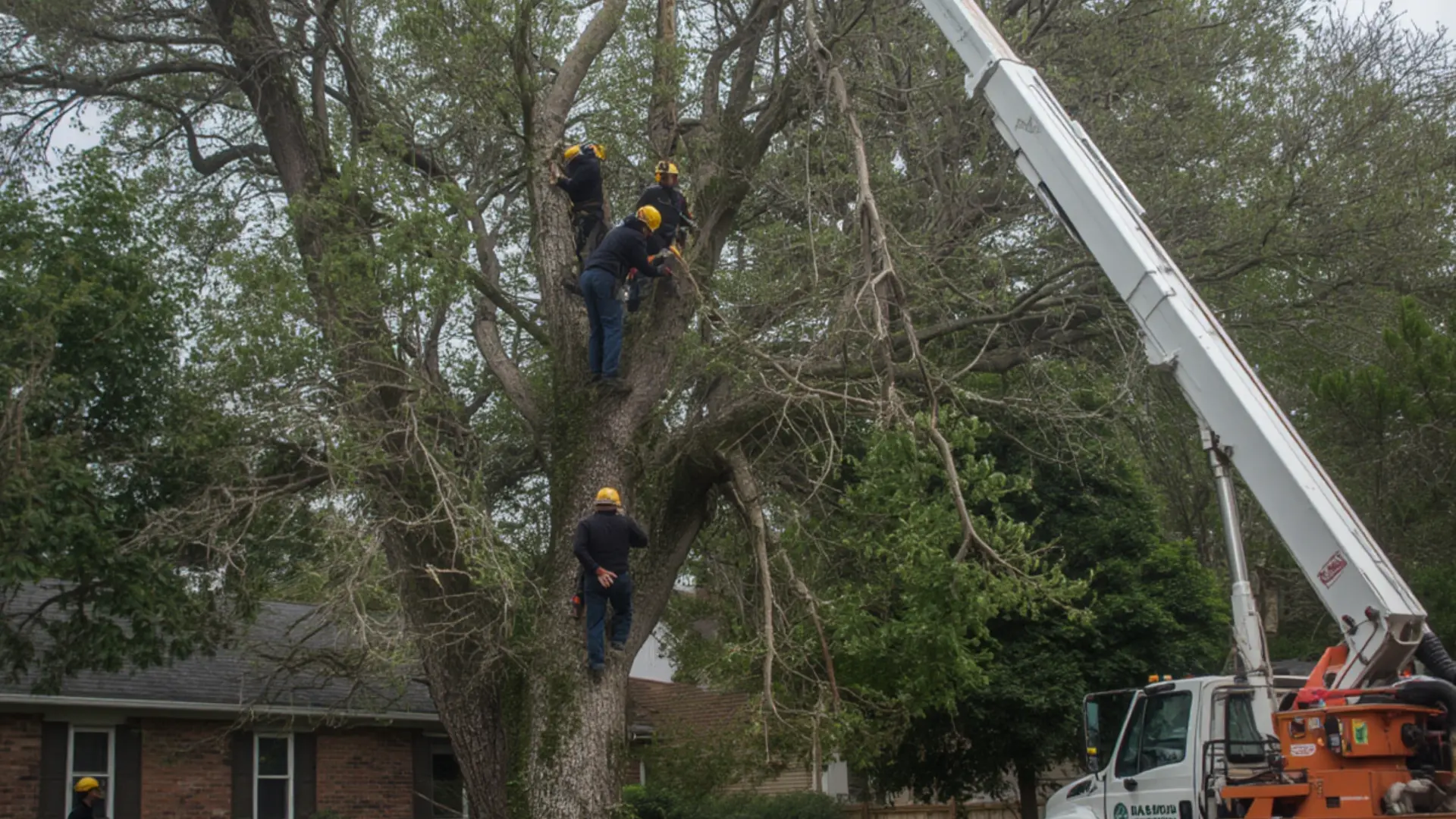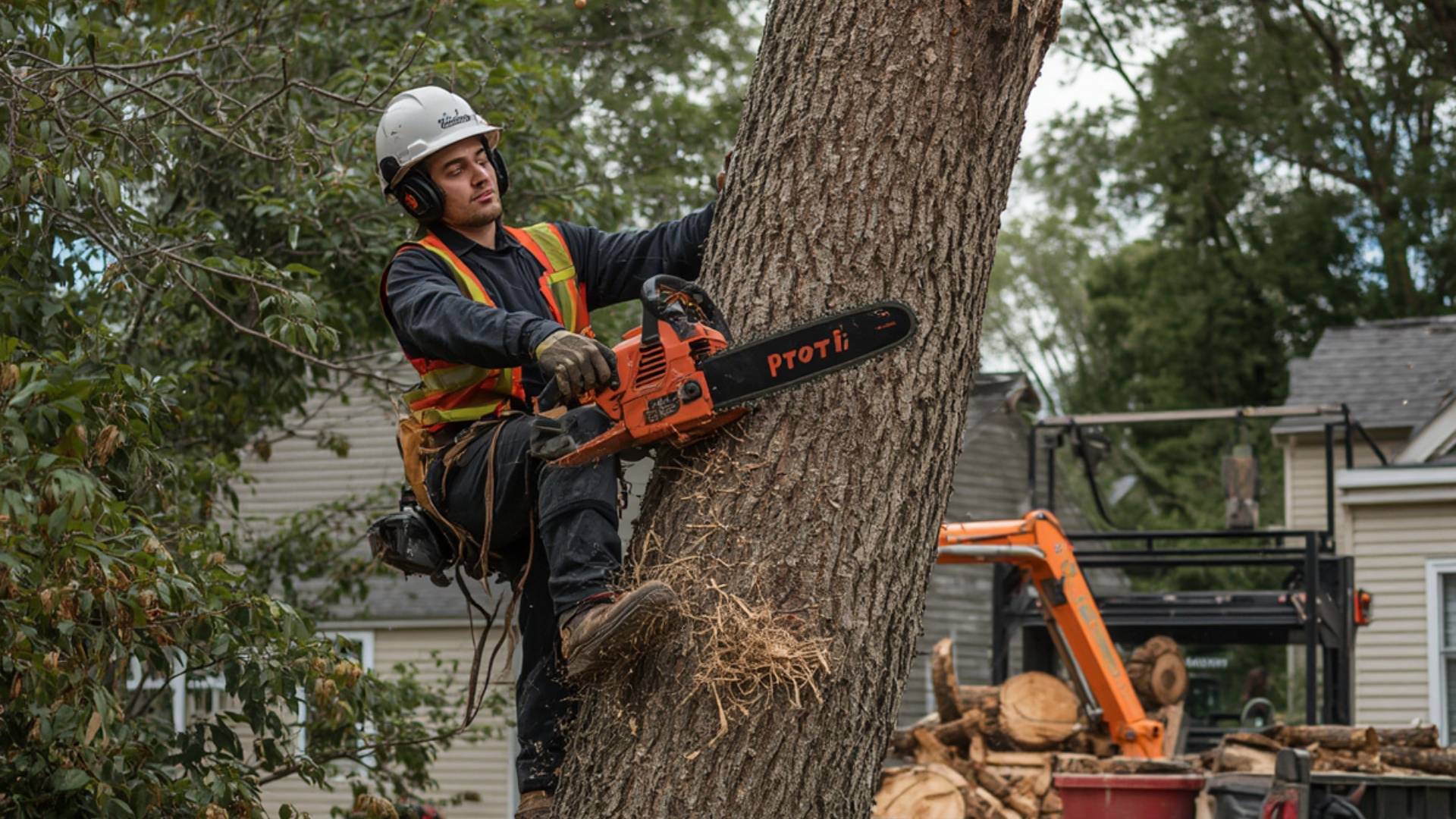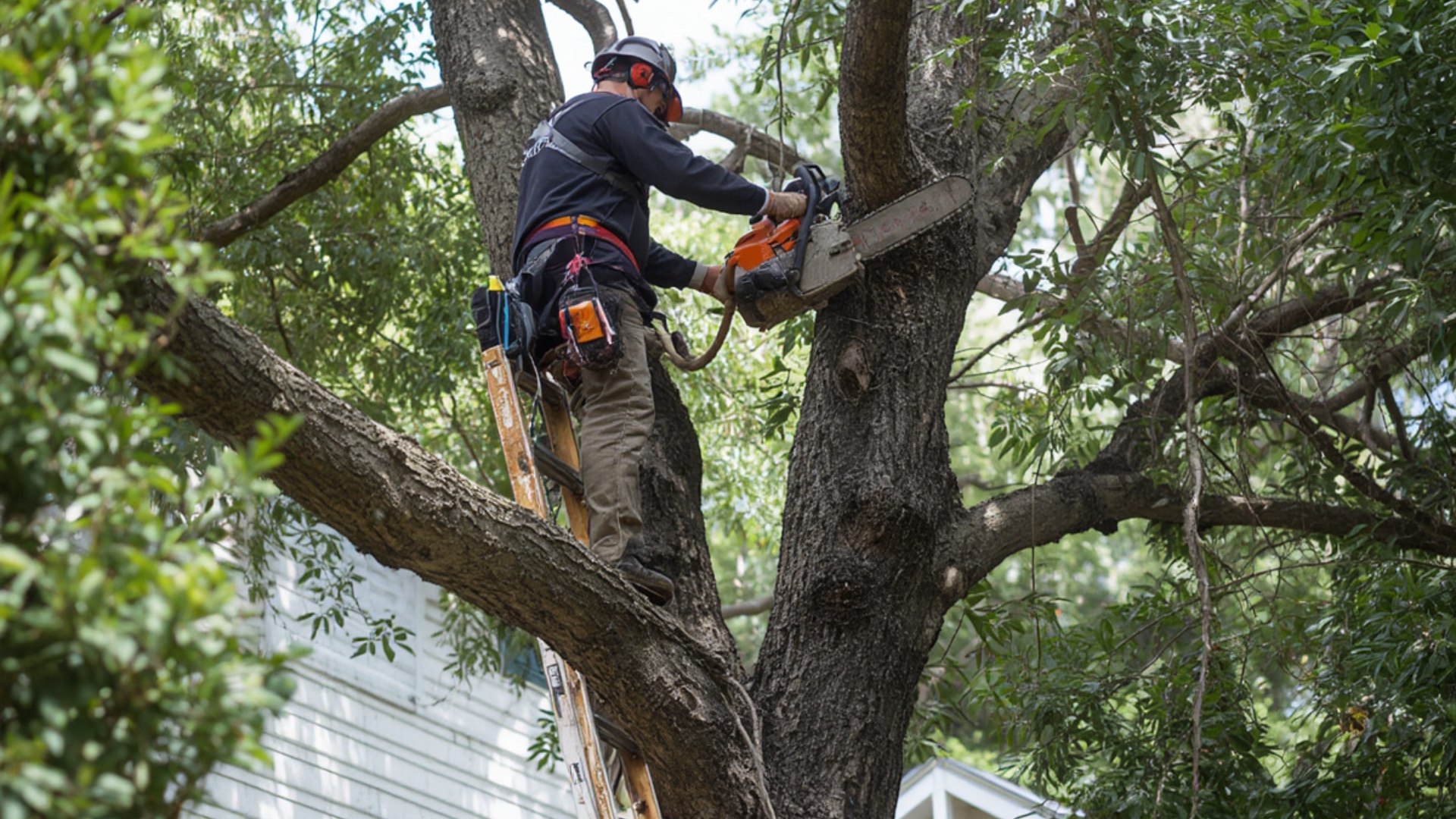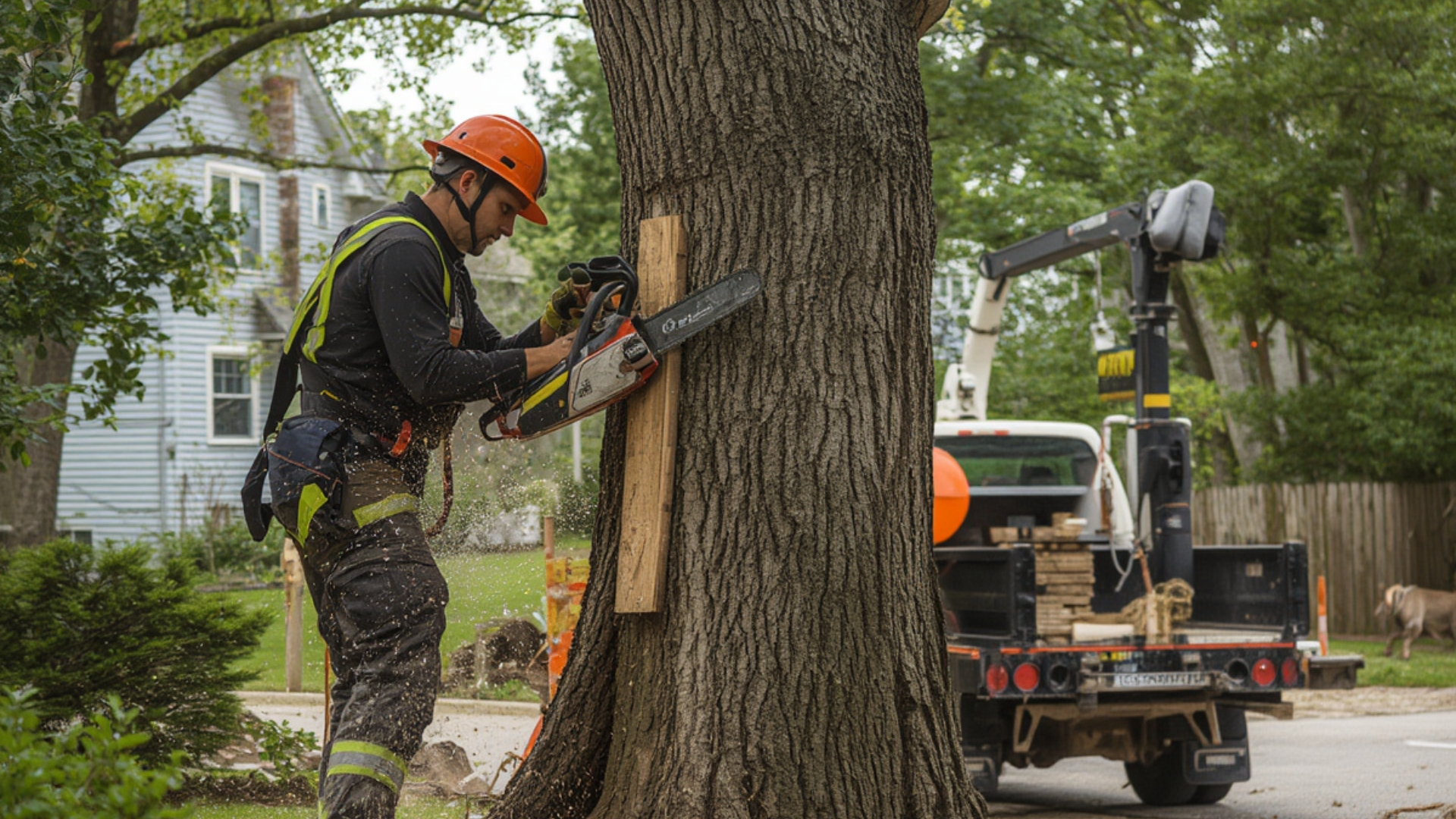
When Is the Best Time to Prune Trees in Oneida, NY? A Season-by-Season Guide
Trees are one of the most valuable features of any property in Oneida, NY. They provide shade during warm summers, increase property value, improve air quality, and enhance curb appeal. However, trees require routine maintenance to remain healthy, safe, and attractive. One of the most important maintenance tasks is pruning.
Many homeowners ask, “What is the best time to prune trees Oneida NY?” The answer depends on several factors, including tree species, age, health, and seasonal weather conditions. Pruning at the wrong time can weaken a tree, increase disease risks, and reduce flowering or fruit production. In this guide, we’ll explain the best time to prune trees Oneida NY residents should know, discuss seasonal pruning recommendations, identify which trees should be pruned during each season, and explain why professional tree care makes all the difference.
Why Proper Tree Pruning Matters
Tree pruning isn’t just about making your yard look neat. Proper pruning provides several important benefits:
- Removes dead, diseased, and hazardous limbs
- Improves tree structure
- Encourages healthy growth
- Reduces storm damage risk
- Increases sunlight penetration
- Improves air circulation
- Prevents branches from interfering with roofs, driveways, or utility lines
- Extends the lifespan of trees
When performed correctly, pruning allows trees to heal faster while minimizing stress.
Understanding Tree Growth in Oneida, NY
Oneida experiences four distinct seasons with snowy winters, cool springs, warm summers, and colorful autumns. These seasonal changes directly affect tree growth.
Dormancy during winter makes pruning less stressful for many tree species. Meanwhile, spring growth helps trees recover quickly from selective pruning.
Knowing how trees respond to each season helps determine the best time to prune trees Oneida NY homeowners should follow.
Winter: The Best Time for Most Tree Pruning
For most deciduous trees, late winter is considered the ideal pruning season.
Why Winter Is Best
During dormancy:
- Trees lose their leaves.
- Branch structure becomes easier to inspect.
- Sap flow slows.
- Insect activity decreases.
- Disease transmission is minimized.
- Fresh spring growth seals pruning wounds quickly.
Professional arborists often schedule major structural pruning between January and early March before buds begin to swell.
Trees Commonly Pruned During Winter
- Oak
- Maple
- Elm
- Ash
- Hickory
- Beech
- Birch
- Honey Locust
Winter pruning is widely considered the best time to prune trees Oneida NY property owners have for improving long-term tree health.
Spring Pruning
Spring is a period of rapid growth.
Although light pruning is acceptable, heavy pruning should generally be avoided because trees are using stored energy to produce new leaves and branches.
Good Reasons to Prune in Spring
- Remove broken winter branches
- Eliminate storm damage
- Remove dead wood
- Correct minor structural issues
Avoid removing large portions of the canopy during early spring.
Flowering Trees
Some flowering trees should be pruned immediately after blooming rather than before flowering.
Examples include:
- Crabapple
- Magnolia
- Redbud
- Dogwood
- Cherry
Pruning these trees after flowering preserves next year’s blooms.
Summer Pruning
Summer pruning can be beneficial when performed carefully.
Since trees are fully leafed out, it’s easier to identify:
- Weak limbs
- Dead branches
- Diseased wood
- Crossing limbs
Summer pruning is commonly used for:
- Size control
- Removing water sprouts
- Hazard reduction
- Improving visibility
However, avoid excessive pruning during extremely hot or dry weather.
Fall Pruning
Fall is generally considered the least desirable season for major pruning.
Why Avoid Fall?
As trees prepare for dormancy:
- Healing slows
- Fungal spores increase
- Moisture encourages disease
- New growth may not harden before winter
Pruning wounds remain exposed longer, making trees more vulnerable.
Only emergency pruning or removal of hazardous limbs should be performed during autumn.
Trees That Need Immediate Pruning Regardless of Season
Although timing matters, safety always comes first.
Prune immediately if your tree has:
- Broken branches
- Storm damage
- Hanging limbs
- Cracked trunks
- Diseased limbs
- Dead branches
- Branches touching power lines (handled only by utility professionals)
- Branches threatening structures
Waiting for the “perfect season” can create unnecessary hazards.
Evergreen Tree Pruning
Evergreens have slightly different pruning requirements.
Light pruning can occur throughout much of the year, although late winter and early spring remain preferred.
Examples include:
- Pine
- Spruce
- Fir
- Arborvitae
- Cedar
Avoid cutting deep into old wood, as many evergreens do not regenerate from bare branches.
Fruit Tree Pruning
Fruit trees benefit greatly from annual pruning.
Best timing:
Late winter before bud break.
Benefits include:
- Better fruit production
- Improved sunlight
- Disease prevention
- Stronger branch structure
- Easier harvesting
Fruit trees commonly grown in Central New York include:
- Apple
- Pear
- Plum
Common Tree Pruning Mistakes
Many homeowners unintentionally damage trees by using improper techniques.
Avoid these mistakes:
Topping Trees
Removing the top of a tree creates weak regrowth and increases decay.
Over-Pruning
Never remove more than 25% of the live canopy in one season.
Flush Cuts
Branches should never be cut flush against the trunk.
Proper pruning preserves the branch collar to promote healing.
Leaving Stubs
Long branch stubs invite insects, decay, and disease.
Using Dull Tools
Clean, sharp pruning equipment creates smoother cuts that heal faster.
Signs Your Tree Needs Professional Pruning
You should schedule professional pruning if you notice:
- Dead branches
- Dense canopy
- Crossing limbs
- Tree leaning
- Cracks in major branches
- Low-hanging limbs
- Branches rubbing together
- Storm damage
- Fungus growth
- Large limbs over buildings
Certified arborists can safely evaluate the tree and determine the correct pruning approach.
Benefits of Professional Tree Pruning
Professional tree services offer advantages beyond simple branch removal.
Benefits include:
Improved Safety
Large branches require specialized climbing equipment and rigging.
Proper Tree Health
Professionals understand tree biology and species-specific pruning techniques.
Better Appearance
Proper shaping improves natural growth rather than creating unnatural forms.
Reduced Disease Risk
Professionals sanitize equipment between cuts to prevent disease spread.
Property Protection
Experienced crews avoid damaging roofs, fences, landscaping, and nearby structures.
How Often Should Trees Be Pruned?
The answer depends on species and maturity.
General guidelines include:
| Tree Type | Recommended Pruning |
|---|---|
| Young trees | Every 2–3 years |
| Mature shade trees | Every 3–5 years |
| Fruit trees | Every year |
| Evergreens | Every 3–5 years |
| Ornamental trees | Every 2–4 years |
Routine inspections help determine the ideal schedule.
Why Local Experience Matters
Tree species in Oneida face unique environmental challenges, including:
- Heavy snow loads
- Ice storms
- Strong seasonal winds
- Fungal diseases
- Emerald Ash Borer
- Drought stress during summer
Local professionals understand these regional conditions and know the best time to prune trees Oneida NY homeowners should follow for each tree species.
Tips for Healthy Trees Year-Round
Pruning works best as part of an overall tree care plan.
Additional maintenance includes:
- Water young trees during dry periods
- Mulch around the base
- Avoid damaging roots with lawn equipment
- Inspect after storms
- Watch for insects and disease
- Remove hazardous limbs promptly
- Schedule annual tree health evaluations
Conclusion
Determining the best time to prune trees Oneida NY homeowners should follow depends on the tree species, health, and pruning goals. For most deciduous trees, late winter offers the greatest benefits because trees are dormant and recover quickly once spring arrives.
However, every season has its purpose. Spring is ideal for removing winter damage, summer helps control growth, and emergency pruning can occur whenever safety is at risk.
Routine professional pruning keeps trees healthy, beautiful, and structurally sound for decades. Whether you need preventative maintenance, storm cleanup, or expert tree evaluations, timely pruning is one of the best investments you can make in your landscape.
Frequently Asked Questions
What is the best time to prune trees Oneida NY homeowners should choose?
Late winter through early spring is generally the best time because most deciduous trees are dormant, reducing stress and improving healing.
Can trees be pruned during summer?
Yes. Summer pruning is useful for removing dead branches, controlling growth, and improving tree structure, but avoid excessive pruning during extreme heat.
Why shouldn’t trees be heavily pruned in the fall?
Fall pruning can expose trees to fungal infections and slows wound healing as trees enter dormancy.
How often should mature trees be pruned?
Most mature trees benefit from professional pruning every three to five years, depending on species, growth rate, and condition.
Can I prune large branches myself?
Large branches should always be handled by experienced professionals using proper safety equipment to prevent injury and property damage.
Does pruning improve tree health?
Yes. Proper pruning removes diseased or damaged limbs, improves airflow, encourages healthy growth, and reduces the risk of storm damage.