Tree Fell on My House in Oneida, NY: What to Do in the First 24 Hours
A tree crashing into your home is every homeowner’s nightmare. Whether caused by a severe thunderstorm, high winds, heavy snow, or a weakened tree, the first few hours after the incident are critical. Your safety comes first, followed by protecting your property from further damage and beginning the insurance and cleanup process.
If you’re searching for tree removal near me after a storm, you’re likely dealing with a stressful situation that requires immediate professional help. Attempting to remove a fallen or unstable tree yourself can lead to serious injuries and additional property damage.
This guide explains exactly what homeowners in Oneida, NY, should do during the first 24 hours after a tree falls on their house, including when to call emergency services, how to document the damage, and why professional emergency tree removal is essential. Severe weather can also leave behind a leaning tree after storm emergency, which may appear stable but can fail without warning. Professional assessment is the safest course of action.
Step 1: Make Sure Everyone Is Safe
The very first priority is protecting yourself and your family.
If the tree has damaged your home’s structure, leave the building immediately if it is safe to do so. Watch for:
- Broken power lines
- Smell of natural gas
- Structural cracks
- Sagging ceilings
- Broken windows
- Exposed electrical wiring
Never walk underneath hanging branches or partially fallen trees.
If anyone is injured, call 911 immediately.
Step 2: Stay Away From the Damaged Area
Many homeowners make the mistake of inspecting damage too closely.
Even if the tree appears stable, additional branches may still be under tension and could fall unexpectedly.
Avoid entering:
- Damaged rooms
- Garages with roof damage
- Decks supporting tree weight
- Areas beneath broken limbs
If electricity is affected, avoid standing water near electrical equipment.
Step 3: Call Your Utility Company (If Necessary)
If the fallen tree has damaged utility lines, stay far away.
Never attempt to:
- Move electrical wires
- Cut branches touching power lines
- Climb onto the roof
- Remove tree limbs yourself
Utility companies should first secure electrical hazards before tree removal begins.
Step 4: Contact Emergency Tree Removal Professionals
Once everyone is safe, your next call should be to an experienced emergency tree service.
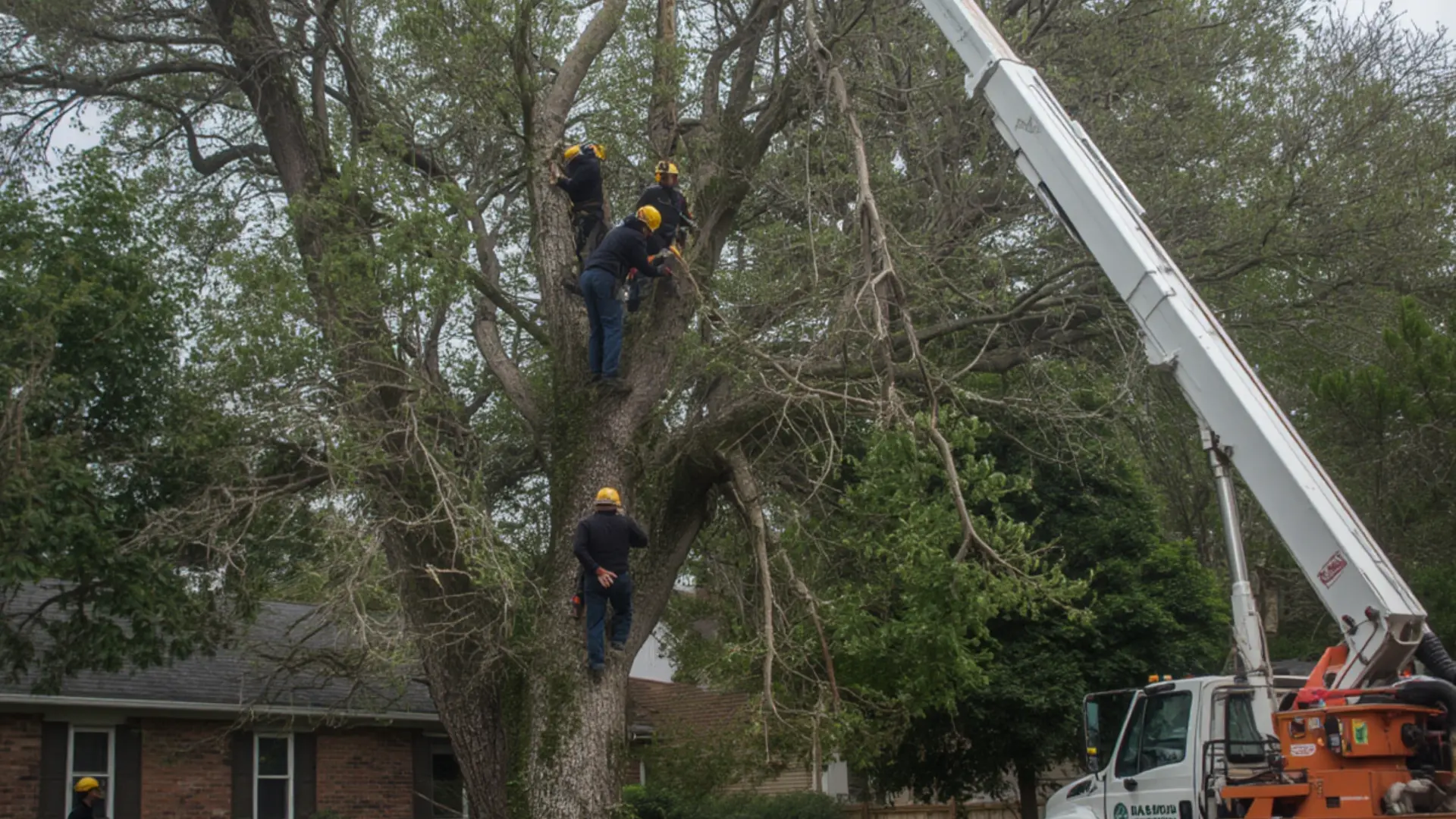
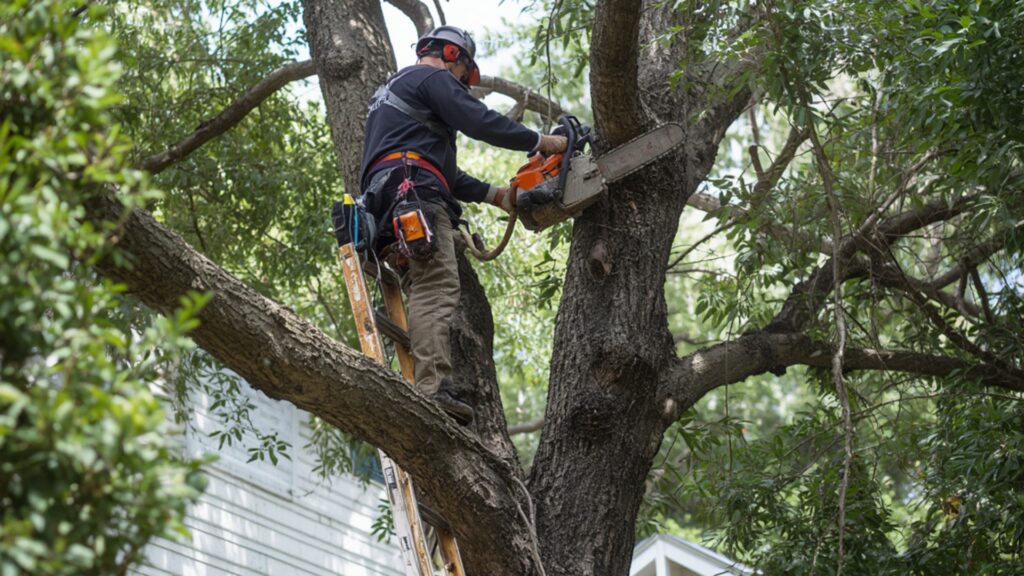
Searching online for tree removal near me will help you find local professionals who have the equipment, cranes, rigging systems, and trained crews needed to remove hazardous trees safely.
Emergency crews can:
- Stabilize dangerous trees
- Remove fallen trunks
- Clear blocked driveways
- Remove hanging limbs
- Prevent additional structural damage
- Protect surrounding landscaping
Attempting DIY tree removal after a storm can make the situation far more dangerous. Professional crews use specialized equipment and safety procedures for complex removals.
Step 5: Document Everything
Before cleanup begins, document the damage thoroughly.
Take photographs of:
- The entire tree
- Roof damage
- Broken windows
- Structural damage
- Interior water leaks
- Damaged vehicles
- Fences
- Landscaping
Take pictures from multiple angles.
These photos may become valuable when filing an insurance claim.
Step 6: Contact Your Insurance Company
Most homeowner insurance policies cover tree damage caused by storms or other covered events.
When speaking with your insurance company:
Provide:
- Date of incident
- Cause of damage
- Photos
- Temporary repair receipts
- Emergency service invoices
Keep copies of every document.
Do not throw away damaged materials until instructed by your insurance adjuster.
Step 7: Prevent Additional Damage
If conditions are safe, temporary measures may reduce further property damage.
Examples include:
- Cover exposed roof areas with tarps
- Move valuables away from water leaks
- Block unsafe rooms
- Remove small debris from walkways
Never climb onto the roof while the tree remains in place.
Only professionals should remove limbs supporting damaged structures.
Understanding a Leaning Tree After Storm Emergency
Sometimes a tree doesn’t fall completely.
Instead, homeowners discover a leaning tree after storm emergency that appears ready to collapse.
Warning signs include:
- Newly leaning trunk
- Lifted roots
- Fresh soil cracks
- Split trunk
- Hanging branches
- Tree resting against another tree
These trees remain highly unpredictable.
Wind, rain, or even vibration can trigger complete failure.
Professional evaluation should happen immediately.
Hidden Damage Can Be Worse Than Visible Damage
Storm damage isn’t always obvious.
Trees may suffer:
- Internal trunk cracks
- Root failure
- Hollow sections
- Broken structural limbs
- Lightning damage
An experienced tree professional knows how to identify hidden structural weaknesses before they become dangerous.
Why Immediate Tree Removal Matters
Waiting too long increases the risk of:
- Additional roof collapse
- Water intrusion
- Mold growth
- Pest infestations
- Structural shifting
- Personal injury
Prompt removal often reduces overall repair costs.
Common Causes of Trees Falling on Homes
Several factors contribute to tree failure.
Severe Wind
Strong wind creates tremendous pressure on weakened trees.
Saturated Soil
Heavy rain softens the ground, allowing root systems to fail.
Snow and Ice
Winter storms add significant weight to limbs.
Disease
Internal decay weakens structural integrity.
Dead Trees
Dead trees lose strength over time.
Poor Pruning
Improper cuts can create long-term weaknesses.
Routine inspections and maintenance reduce these risks considerably.
Should You Remove the Tree Yourself?
Generally, no.
A fallen tree resting on a home is one of the most dangerous tree removal situations.
Risks include:
- Falling branches
- Chainsaw injuries
- Roof collapse
- Electrical hazards
- Unstable trunks
- Personal injury
Professional tree companies use:
- Cranes
- Bucket trucks
- Rigging systems
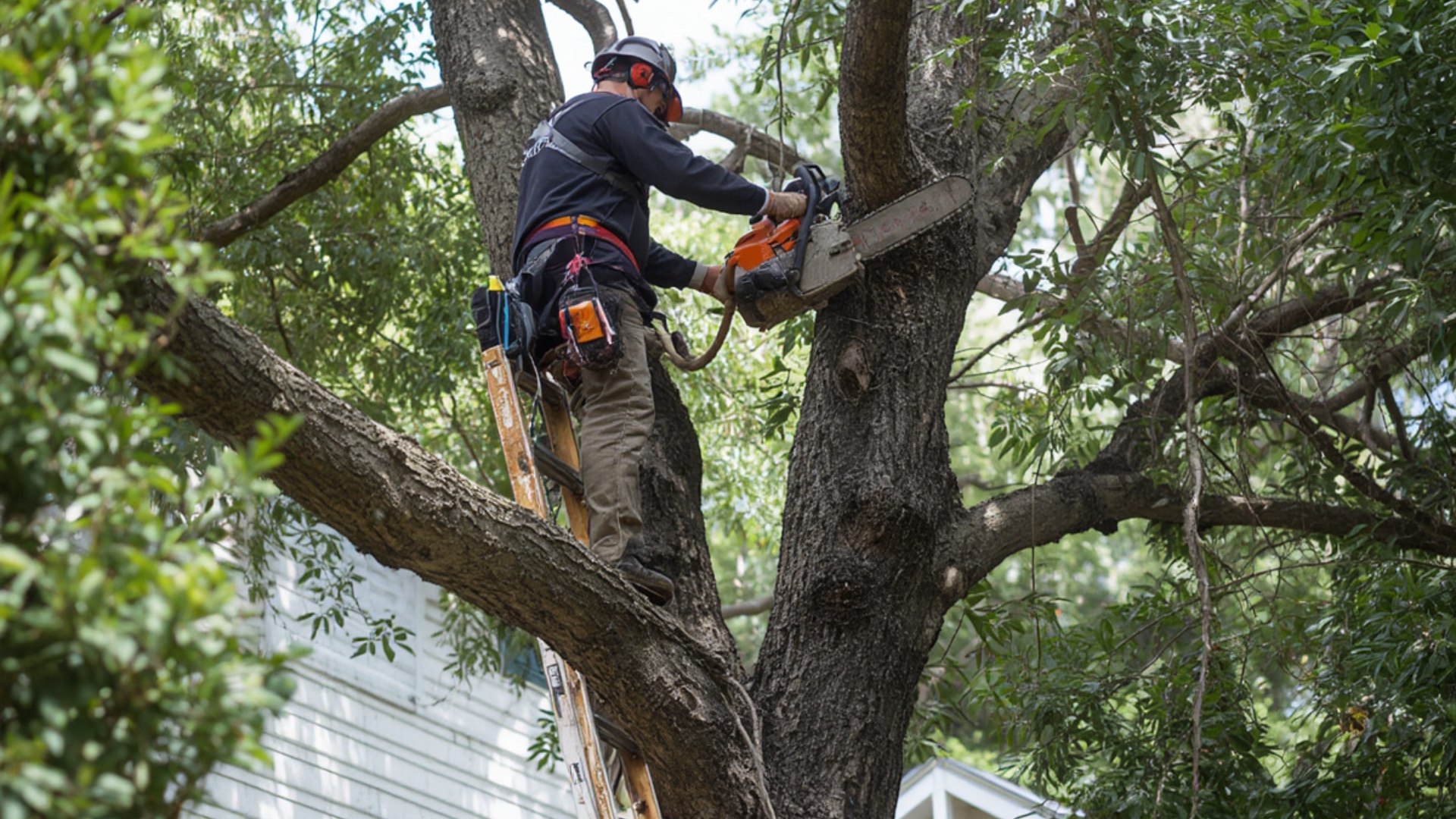
- Climbing equipment
- Safety harnesses
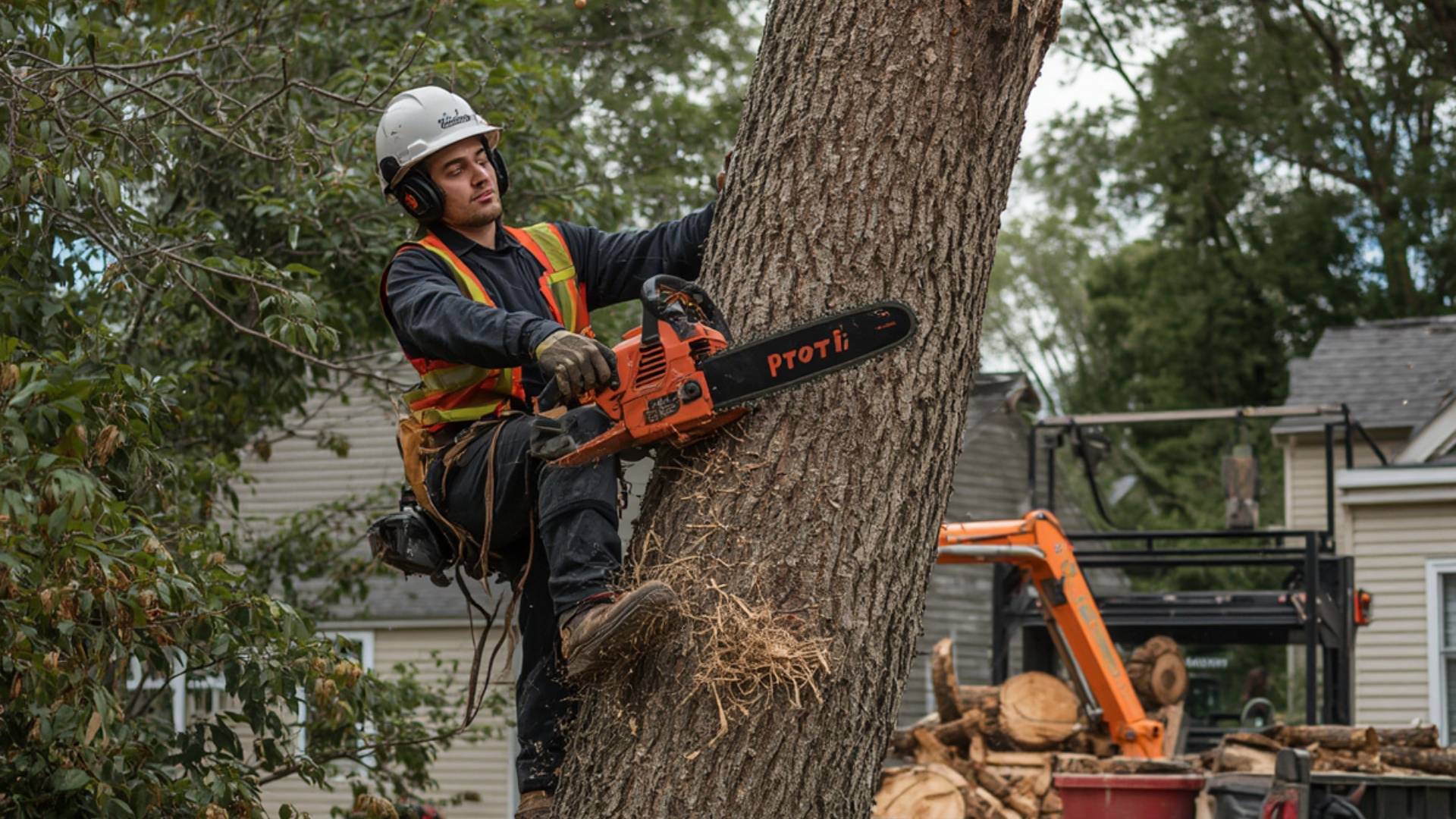
- Commercial chainsaws
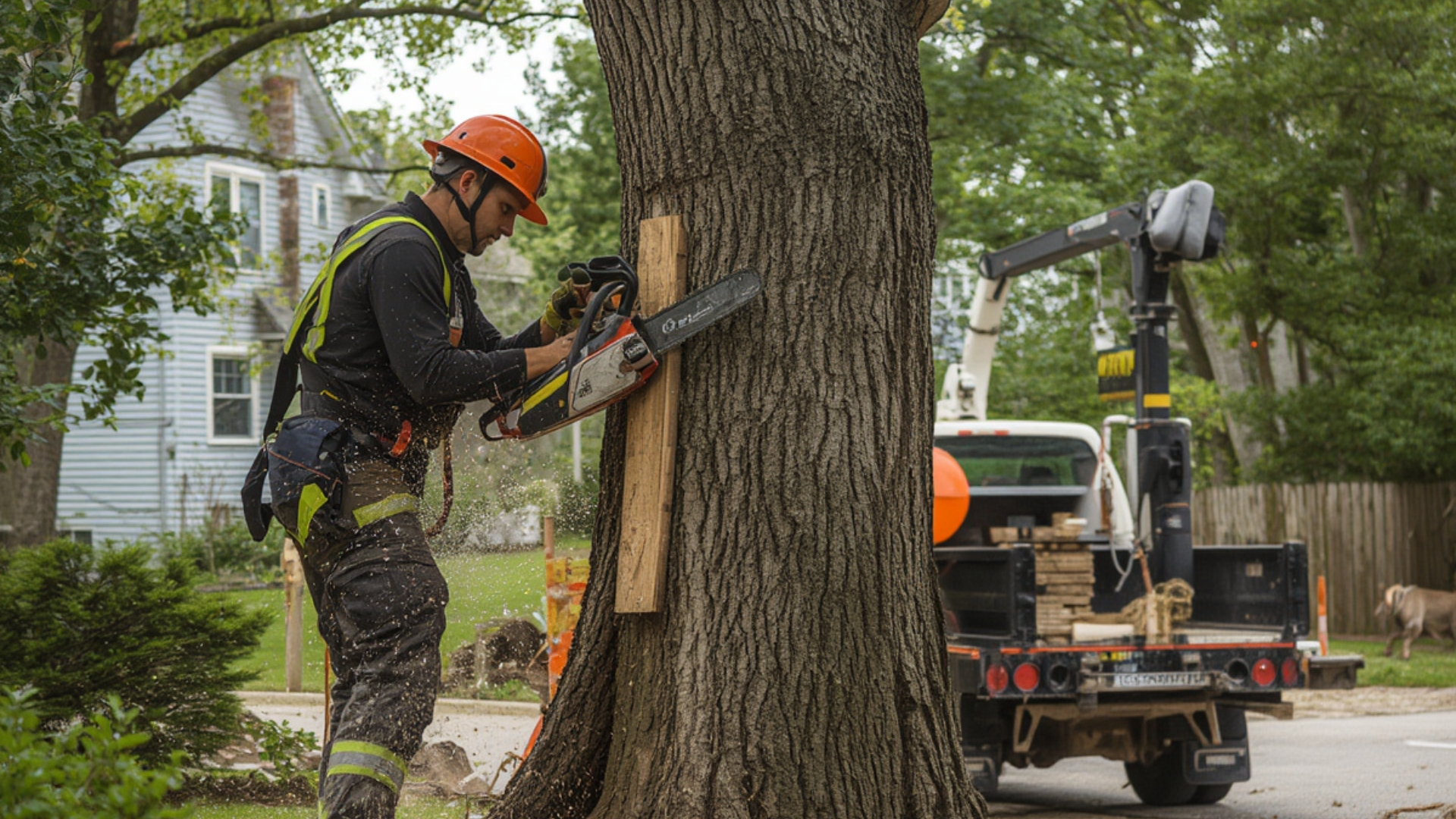
Their experience allows controlled removal while minimizing additional property damage.
Preventing Future Tree Emergencies
The best emergency is the one that never happens.
Regular tree maintenance helps prevent disasters before storms arrive.
Recommended maintenance includes:
- Annual inspections
- Deadwood removal
- Crown thinning
- Structural pruning
- Disease treatment
- Cabling when appropriate
- Root inspections
Healthy trees are far less likely to fail during severe weather.
Signs You Should Schedule a Tree Inspection Today
Even if no tree has fallen, schedule an inspection if you notice:
- Dead branches
- Leaning trees
- Mushrooms growing near roots
- Hollow trunk
- Large trunk cracks
- Insect activity
- Falling bark
- Branches over your roof
- Trees touching power lines
Professional inspections identify hazards before they become emergencies.
Why Local Experience Matters
Tree removal after a storm requires knowledge of local tree species, weather patterns, and safe removal techniques.
Working with a local company means faster response times and familiarity with the challenges homeowners face in Oneida, NY, including snow loads, high winds, and storm-related hazards. Local emergency providers often offer rapid response, specialized equipment, and complete cleanup services.
Trust Karst Tree Services for Emergency Tree Removal
When a tree falls on your home, every minute counts. Acting quickly can help protect your family, reduce further damage, and make the insurance process smoother.
At Karst Tree Services, we provide prompt emergency response, professional tree removal, hazardous tree assessments, storm cleanup, and expert tree care for homeowners throughout Oneida, NY, and nearby communities.
Whether you’re dealing with a fallen tree or a leaning tree after storm emergency, our experienced team has the equipment and expertise to restore your property’s safety. If you’re searching for tree removal near me, we’re ready to respond with dependable, professional service.
Frequently Asked Questions
What should I do immediately after a tree falls on my house?
Ensure everyone is safe, leave the damaged area if necessary, contact emergency services if there are injuries or utility hazards, document the damage, notify your insurance company, and call a professional emergency tree removal service.
Will homeowners insurance cover a tree that fell on my house?
In many cases, homeowner insurance covers storm-related tree damage to insured structures. Coverage depends on your specific policy and the cause of the damage.
Is it safe to remove a fallen tree myself?
No. Trees resting on homes can shift unexpectedly, making DIY removal extremely dangerous. Professional equipment and trained crews are strongly recommended.
What if my tree is leaning after a storm?
A newly leaning tree may have damaged roots or structural failure and could fall without warning. Arrange a professional inspection as soon as possible.
How quickly should emergency tree removal be completed?
Emergency tree removal should be scheduled as soon as possible to reduce safety risks and prevent additional structural damage, water intrusion, and other complications.
How can I reduce the risk of future tree emergencies?
Routine inspections, pruning, removal of dead limbs, monitoring tree health, and addressing structural issues before storms are the best ways to reduce the likelihood of tree failure.