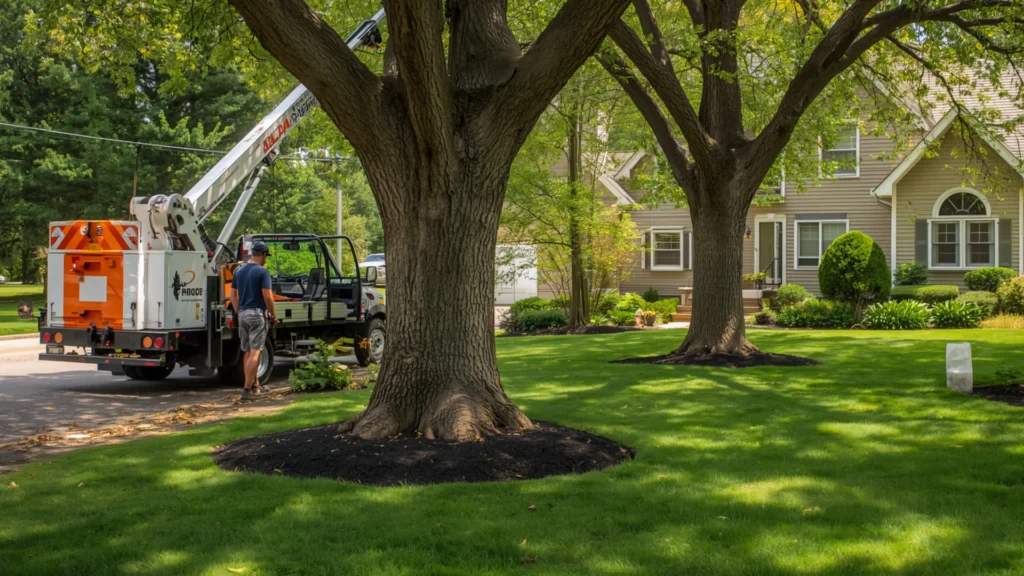
Tree Cutting Company Oneida NY: 7 Warning Signs Your Tree May Be Dangerous
Introduction
Trees add beauty, shade, and value to any property, but they can also become serious hazards when they are unhealthy, damaged, or structurally unstable. Many homeowners don’t realize a tree is dangerous until a branch falls or the entire tree collapses during a storm.
Recognizing the warning signs early can help prevent costly property damage, injuries, and emergency tree removal situations. A professional tree cutting company Oneida NY can assess tree health, identify risks, and recommend the best course of action before problems become severe.
In this guide, we’ll discuss seven common warning signs that indicate a tree may be dangerous and explain why prompt action is essential.
Why Tree Inspections Matter
Trees face numerous challenges throughout the year, including:
- High winds
- Heavy snow and ice
- Lightning strikes
- Insect infestations
- Root damage
- Disease
Routine inspections help property owners identify problems before they lead to major safety concerns.
Working with a trusted tree cutting company Oneida NY ensures potential hazards are addressed quickly and professionally.
1. Large Dead or Hanging Branches
One of the most obvious warning signs is the presence of dead branches.
Dead limbs can become brittle and break without warning. During storms, strong winds can cause these branches to fall onto:
- Homes
- Vehicles
- Power lines
- Walkways
- Outdoor living areas
Even small branches can cause injuries or property damage.
Signs of dead branches include:
- Missing leaves during growing season
- Cracked bark
- Dry, brittle wood
- Fungus growth
Regular pruning by a professional tree cutting company Oneida NY can remove hazardous limbs before they become a problem.
2. A Leaning Tree
While some trees naturally grow at an angle, a sudden lean is often a cause for concern.
A tree that begins leaning unexpectedly may indicate:
- Root failure
- Soil erosion
- Storm damage
- Structural instability
Look for:
- Exposed roots
- Cracks in the soil around the base
- Recent changes in the tree’s position
If a tree is leaning toward your home, garage, driveway, or neighboring property, immediate evaluation is recommended.
3. Cracks in the Trunk
Tree trunks provide structural support for the entire tree.
Large vertical cracks can weaken the tree significantly and increase the likelihood of failure.
Common causes include:
- Weather damage
- Disease
- Lightning strikes
- Age-related decline
Deep cracks often indicate internal problems that may not be visible from the outside.
A professional inspection can determine whether the tree can be saved or if removal is the safest option.
4. Signs of Disease
Tree diseases can spread quickly and compromise structural integrity.
Common symptoms include:
- Discolored leaves
- Early leaf drop
- Dead branches
- Unusual growths
- Bark abnormalities
Fungal growth at the base of a tree is particularly concerning because it often indicates internal decay.
Professional arborists understand how to diagnose diseases and recommend appropriate treatments.
A qualified tree cutting company Oneida NY can help stop disease from spreading to nearby trees.
5. Root Damage
Healthy roots are essential for tree stability.
Unfortunately, root problems often go unnoticed because they occur underground.
Root damage may result from:
- Construction projects
- Soil compaction
- Utility work
- Excessive moisture
- Drought
Warning signs include:
- Leaning trees
- Sparse foliage
- Dead branches
- Visible root decay
A tree with severe root damage may become unstable and require removal.
6. Hollow or Decaying Trunks
Internal decay weakens a tree’s ability to support its weight.
Signs of decay include:
- Cavities
- Hollow sections
- Soft wood
- Mushroom growth
- Missing bark
Although some trees can survive with hollow sections, extensive decay often creates significant safety concerns.
Professional evaluation helps determine whether the tree remains structurally sound.
7. Trees Near Structures or Power Lines
Location can make even a healthy tree dangerous.
Trees growing too close to:
- Homes
- Garages
- Sheds
- Fences
- Utility lines
can become problematic as they mature.
Overgrown branches may:
- Damage roofs
- Block gutters
- Interfere with power lines
- Increase storm damage risks
Routine trimming helps maintain safe clearances and prevent future issues.
The Impact of New York Weather on Tree Safety
New York experiences a wide range of weather conditions that can stress trees throughout the year.
These include:
Winter Snow and Ice
Heavy snow accumulation places tremendous pressure on branches.
Spring Storms
Strong winds and saturated soil can uproot weakened trees.
Summer Thunderstorms
Lightning and high winds often cause branch failures.
Fall Weather Changes
Seasonal transitions can expose previously hidden tree weaknesses.
Regular maintenance reduces weather-related risks and helps trees remain healthy year-round.
Tree Safety for Commercial Properties
Business owners also benefit from proactive tree care.
Dangerous trees on commercial properties can:
- Create liability concerns
- Damage customer vehicles
- Affect employee safety
- Reduce property appeal
Routine inspections help ensure a safe environment for visitors and staff.
Tree Care Near Major Streets and Neighborhoods
Property owners throughout the region understand the importance of maintaining healthy trees near busy roadways and residential areas.
Many homeowners and businesses located near Main Street Rochester NY schedule regular tree inspections to minimize safety risks.
Properties along East Main Street Rochester NY often require trimming services to maintain visibility and reduce hazards.
Commercial locations near West Main Street Rochester NY benefit from routine maintenance that helps protect buildings and pedestrians.
Homeowners around North Main Street Rochester NY frequently invest in preventative tree care before severe weather seasons.
Likewise, properties near South Main Street Rochester NY rely on professional tree services to preserve landscape beauty and prevent costly damage.
Why Professional Tree Removal Is Safer
Tree removal may appear simple, but it involves significant risks.
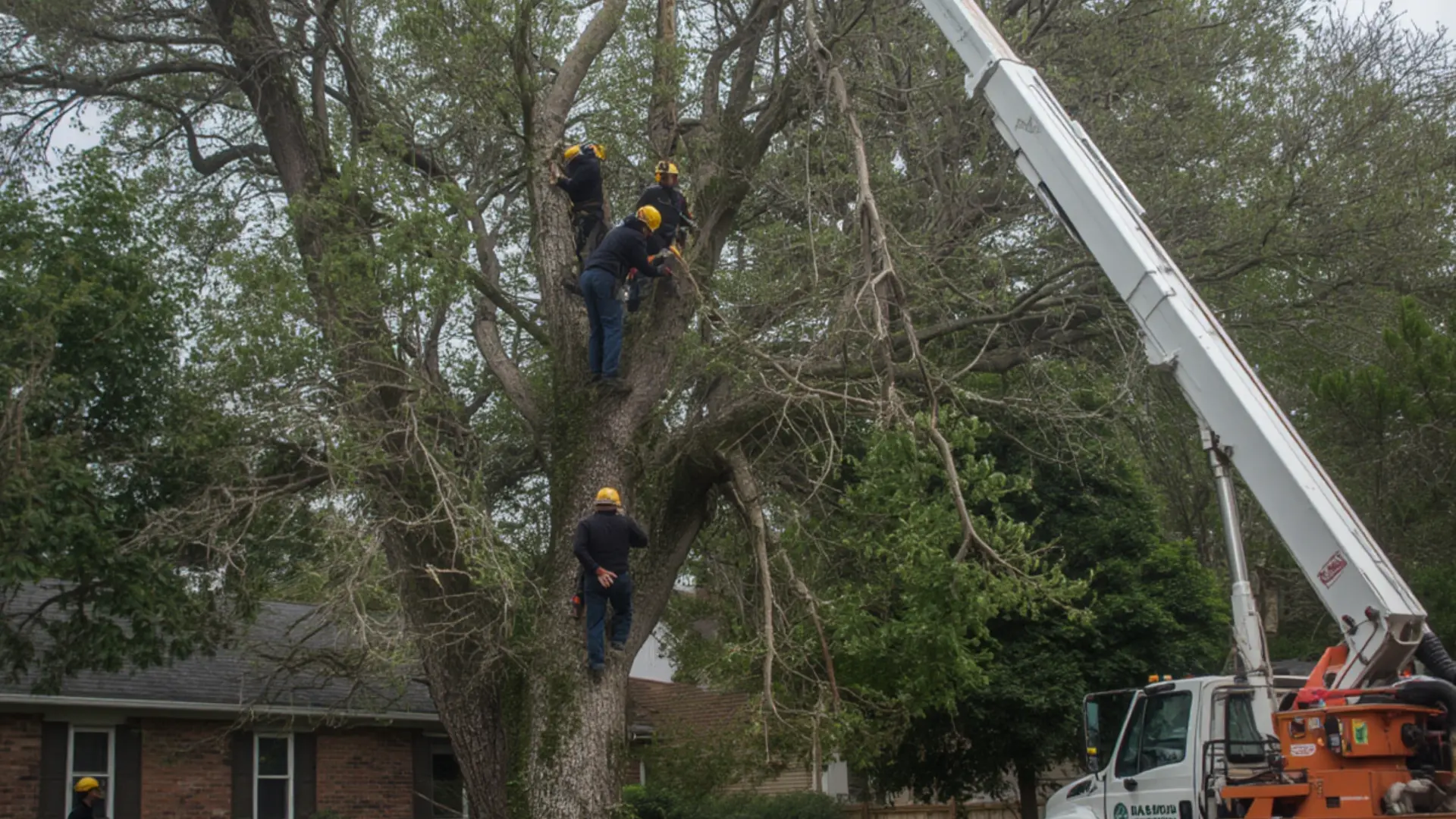
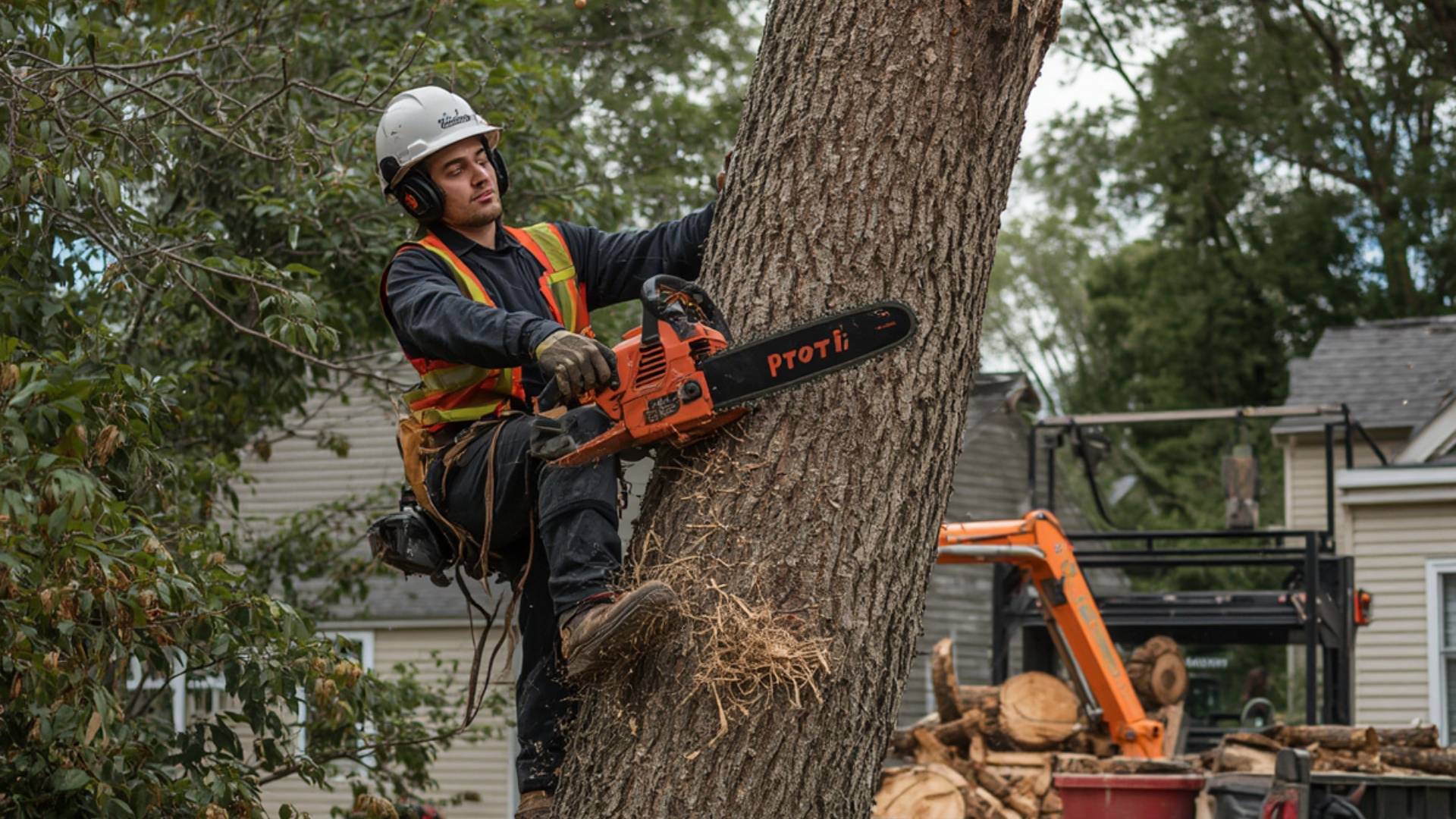
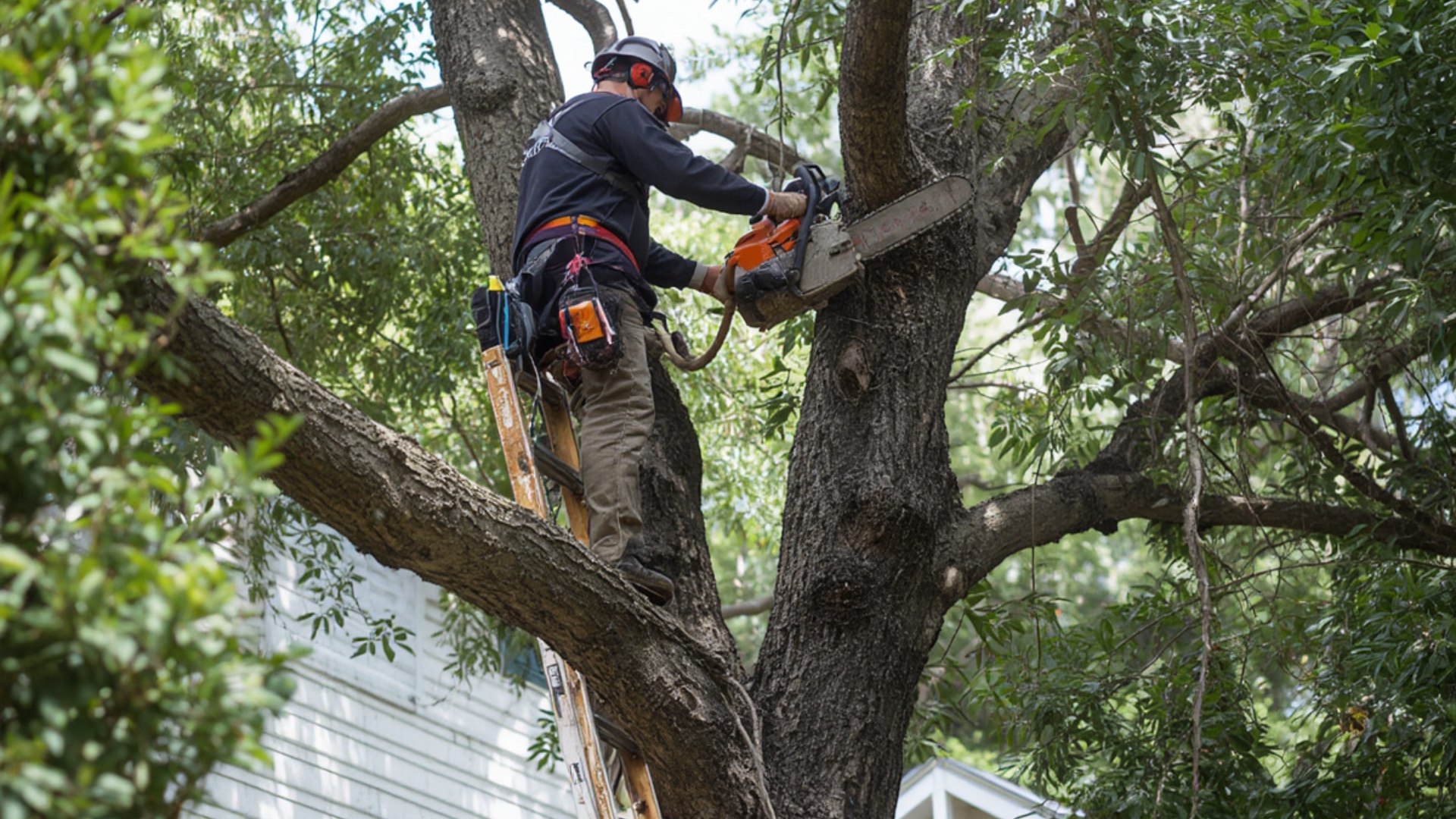
Professional crews use:
- Specialized equipment
- Safety harnesses
- Rigging systems
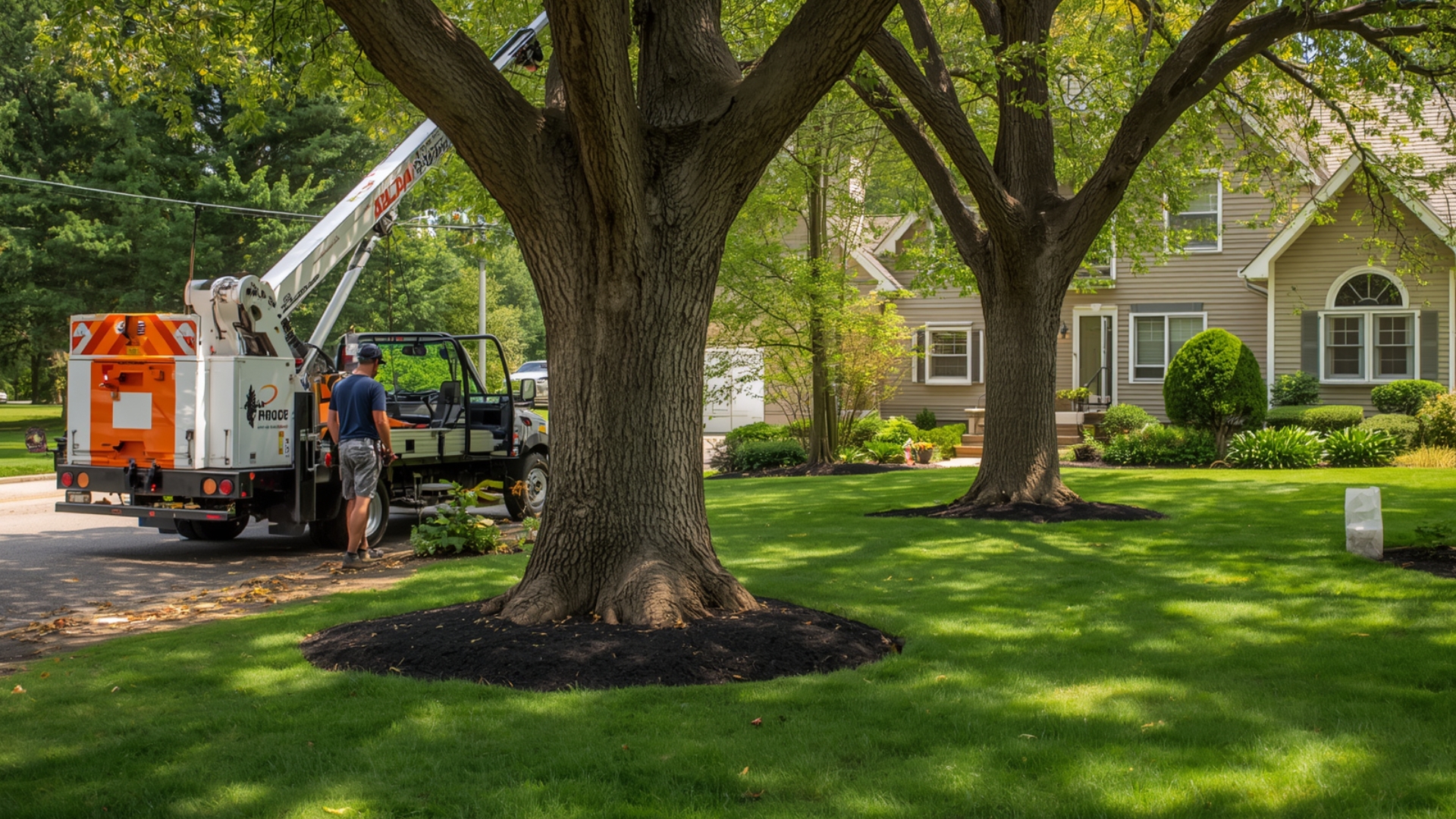
- Bucket trucks
- Advanced cutting techniques
These tools help ensure safe removal while protecting nearby structures and landscaping.
Hiring a reputable tree cutting company Oneida NY reduces the risk of accidents and property damage.
Preventative Maintenance Saves Money
Waiting until a tree becomes hazardous often results in:
- Emergency service costs
- Property repairs
- Insurance claims
- Landscape restoration expenses
Preventative care helps property owners avoid these unexpected costs.
Services such as:
- Tree trimming
- Tree pruning
- Health assessments
- Disease treatment
can extend the lifespan of trees and reduce long-term maintenance expenses.
When to Call a Tree Cutting Company Oneida NY
Contact a professional immediately if you notice:
- Dead or hanging branches
- Significant leaning
- Trunk cracks
- Root damage
- Fungal growth
- Hollow sections
- Storm-related damage
Prompt action can prevent accidents and protect your investment.
Conclusion
Trees are valuable assets, but they can become dangerous when health or structural issues are ignored. Recognizing the warning signs early allows homeowners and business owners to take corrective action before problems escalate.
Whether you’re dealing with dead branches, disease, root damage, or a leaning tree, a trusted tree cutting company Oneida NY can provide expert guidance and safe solutions. Regular inspections and preventative maintenance are the best ways to keep your property safe, attractive, and protected throughout the year.
Frequently Asked Questions
How do I know if my tree is dangerous?
Signs include dead branches, trunk cracks, leaning, root damage, fungal growth, and hollow areas.
Should I remove a leaning tree?
Not always. A professional inspection can determine whether the tree can be saved or requires removal.
What causes tree branches to fall?
Dead wood, disease, storms, strong winds, and structural weaknesses are common causes.
How often should trees be inspected?
Most trees should be professionally inspected every one to three years, with additional checks after major storms.
Can diseased trees be treated?
Some diseases can be managed with proper care, while severely affected trees may require removal.
Why hire a professional tree cutting company Oneida NY?
Professionals have the training, equipment, and experience needed to safely assess, trim, and remove trees while protecting your property.