Tree Removal Permits in Oneida, NY: Do You Need One?
Removing a tree from your property may seem straightforward, but many homeowners are surprised to learn that local regulations can sometimes affect when and how a tree can be removed. If you’re planning to remove a tree and are wondering whether a tree removal permit Oneida NY property owners may need applies to your situation, understanding local requirements can help you avoid delays, fines, and unexpected complications.
Whether you’re dealing with a dead tree, storm damage, root problems, or simply making room for a landscaping project, it’s important to determine if permits or approvals are necessary before work begins.
In this guide, we’ll explain what homeowners should know about tree removal permits, situations where permits may be required, and why working with professional tree experts can simplify the process.
Why Tree Removal Regulations Exist
Trees provide significant environmental and community benefits. They improve air quality, reduce erosion, provide shade, and enhance property values. Because of these benefits, some municipalities establish regulations to protect certain trees and preserve community aesthetics.
Local regulations may be designed to:
- Protect historically significant trees
- Preserve environmentally sensitive areas
- Maintain neighborhood character
- Prevent erosion and stormwater issues
- Protect public safety and infrastructure
For this reason, homeowners researching tree removal permit Oneida NY requirements should verify local regulations before scheduling tree removal work.
When Might a Tree Removal Permit Be Required?
Permit requirements can vary depending on several factors. While not every tree removal project requires approval, there are situations where permits may be necessary.
Tree Size
Some municipalities regulate the removal of large mature trees above a certain trunk diameter. Larger trees often contribute significantly to the environment and community landscape.
Protected Species
Certain tree species may receive additional protection due to environmental importance or local conservation efforts.
Historic Districts
Properties located within historic districts may face additional requirements regarding tree removal and landscaping changes.
Public Right-of-Way Trees
Trees located near sidewalks, roads, utility easements, or public property often require special approval before removal.
Environmentally Sensitive Areas
Properties located near wetlands, waterways, or protected environmental zones may be subject to additional regulations.
When evaluating a tree removal permit Oneida NY requirement, these factors are often considered by local authorities.
Common Reasons Homeowners Remove Trees
Even when permits are required, there are many legitimate reasons why property owners choose tree removal services.
Dead Trees
Dead trees pose significant safety risks because weakened branches can fall unexpectedly.
Storm Damage
Severe storms can compromise a tree’s structural integrity, making removal the safest option.
Disease and Decay
Tree diseases and internal decay often weaken trees from the inside, increasing the risk of failure.
Root Problems
Aggressive root systems can damage:
- Foundations
- Sidewalks
- Driveways
- Sewer lines
- Underground utilities
Construction Projects
Homeowners building additions, garages, pools, or new landscaping features may need tree removal as part of the project.
Signs a Tree May Need Removal
Before pursuing a tree removal permit Oneida NY application or scheduling removal, look for warning signs that indicate professional evaluation is needed.
Visible Decay
Large cavities, fungal growth, or hollow sections can indicate advanced decay.
Leaning Trees
Sudden or worsening lean angles may indicate root instability.
Dead Branches
Numerous dead branches throughout the canopy can signal declining tree health.
Cracked Trunks
Deep cracks often indicate structural weakness.
Root Damage
Construction activity or soil disturbances around roots can significantly affect stability.
Professional arborists can determine whether pruning, treatment, or complete removal is the best solution.
What Happens If You Remove a Tree Without a Required Permit?
Failing to comply with local regulations can create several issues.
Potential consequences may include:
- Municipal fines
- Project delays
- Required replacement plantings
- Legal complications during property sales
- Additional inspections
Because regulations vary, homeowners should verify requirements before starting any project involving a potentially regulated tree.
How Professional Tree Services Can Help
A reputable tree service company can often assist property owners by identifying potential permit requirements and ensuring work is completed safely.
Benefits of hiring professionals include:
Site Evaluation
Experts assess the tree’s condition and identify safety concerns.
Regulatory Knowledge
Experienced contractors often understand local requirements and approval processes.
Safe Removal Methods
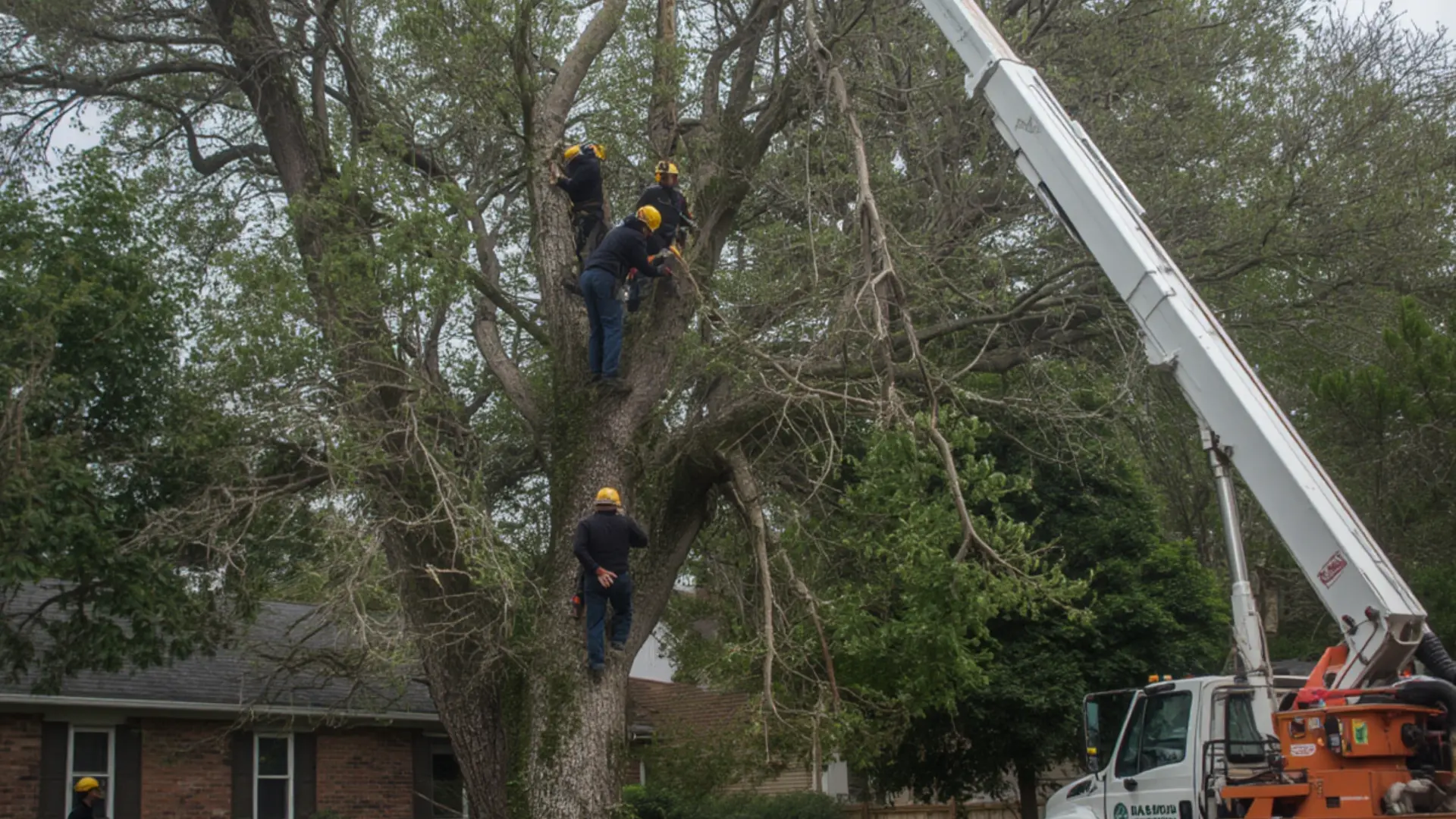
Professional crews use specialized equipment to safely remove trees near homes, utility lines, and structures.
Complete Cleanup
Most services include debris removal, hauling, and site cleanup.
Stump and Root Removal
Many companies also offer stump grinding and root removal services after the tree has been removed.
Tree Removal Process Overview
Once permit requirements are addressed, the removal process typically follows several steps.
Initial Inspection
The tree’s health, location, and surrounding hazards are evaluated.
Planning
Removal methods are selected based on tree size and site conditions.
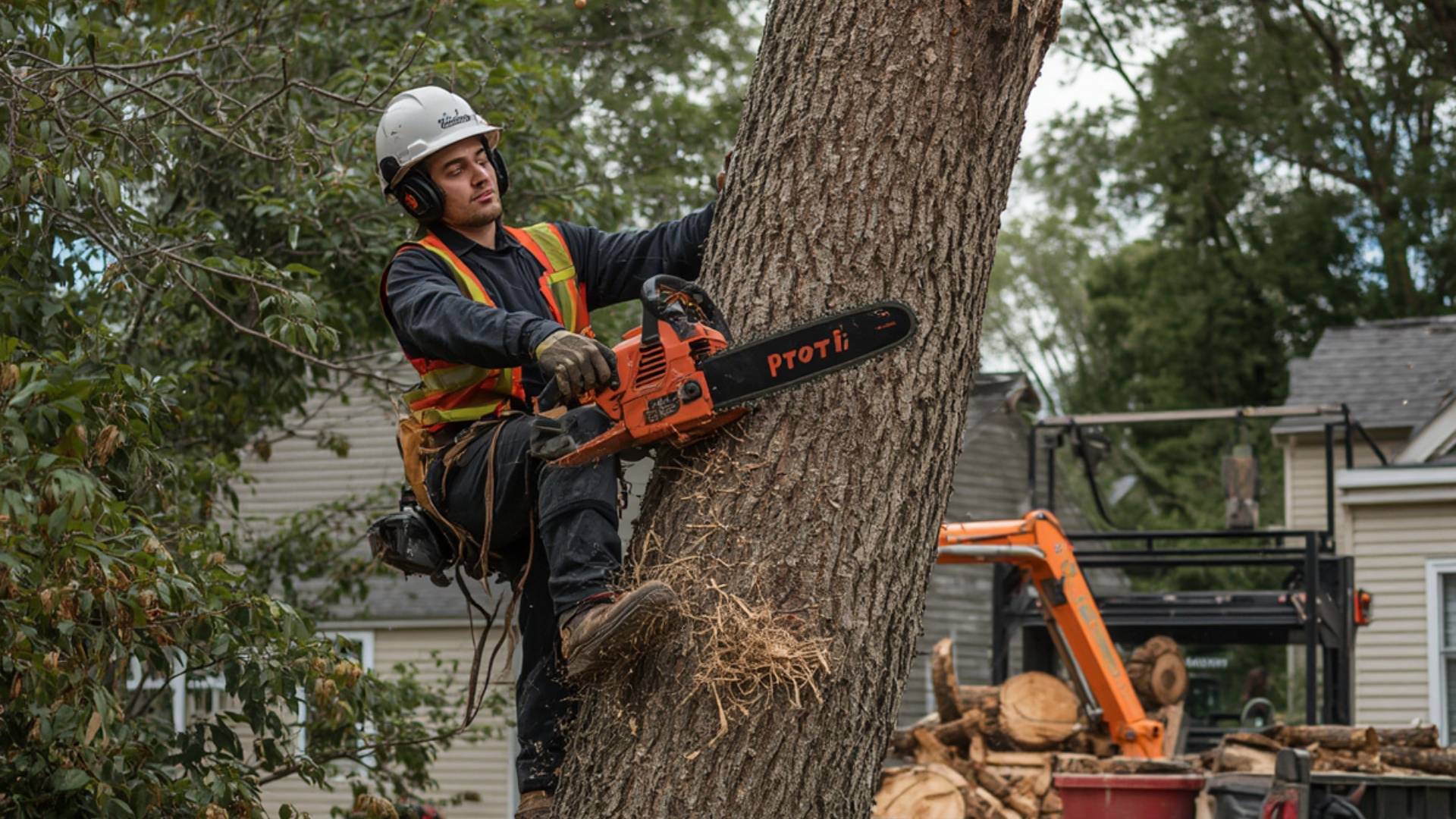
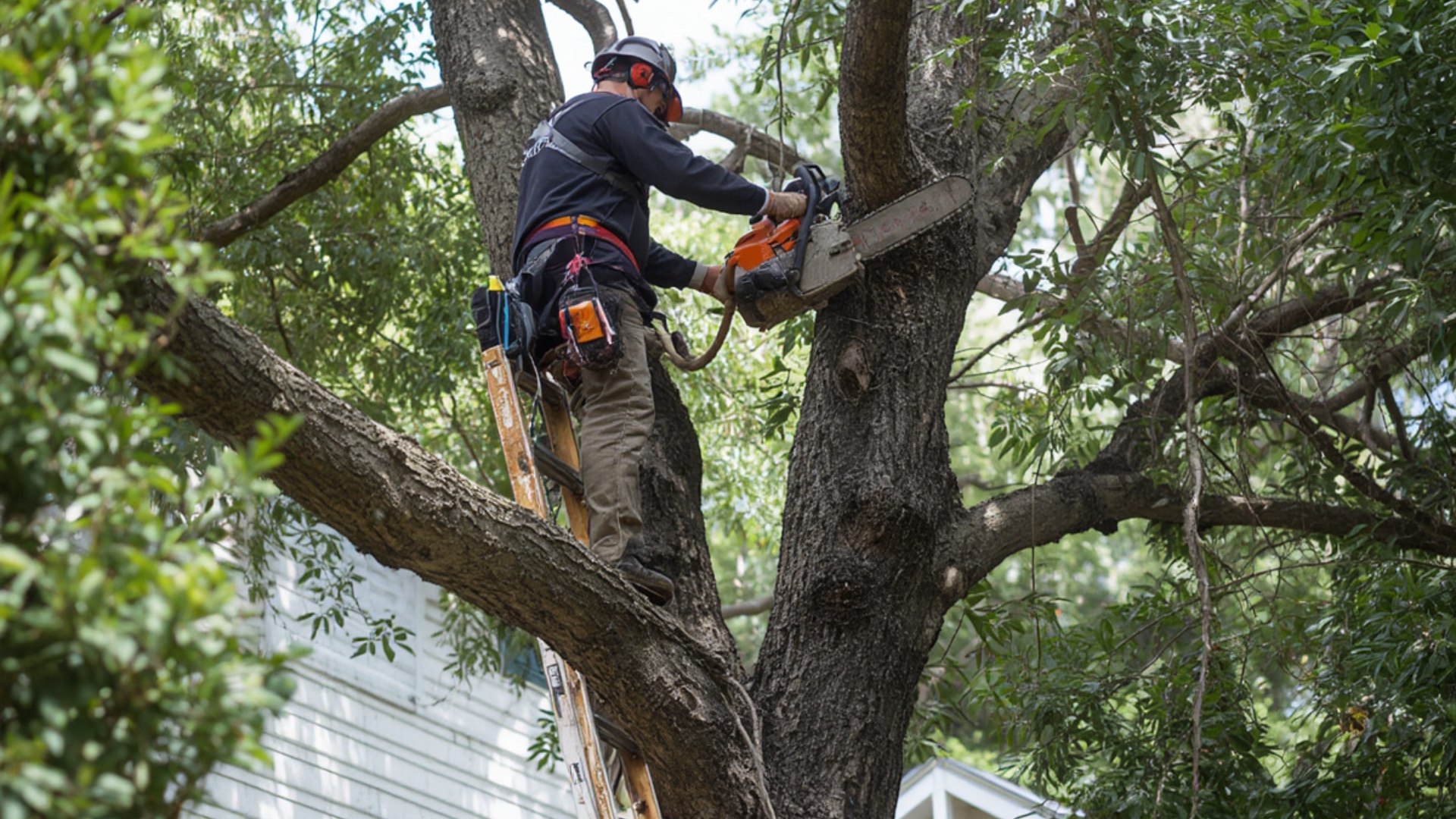
Cutting and Removal
Branches are removed strategically before dismantling the trunk.
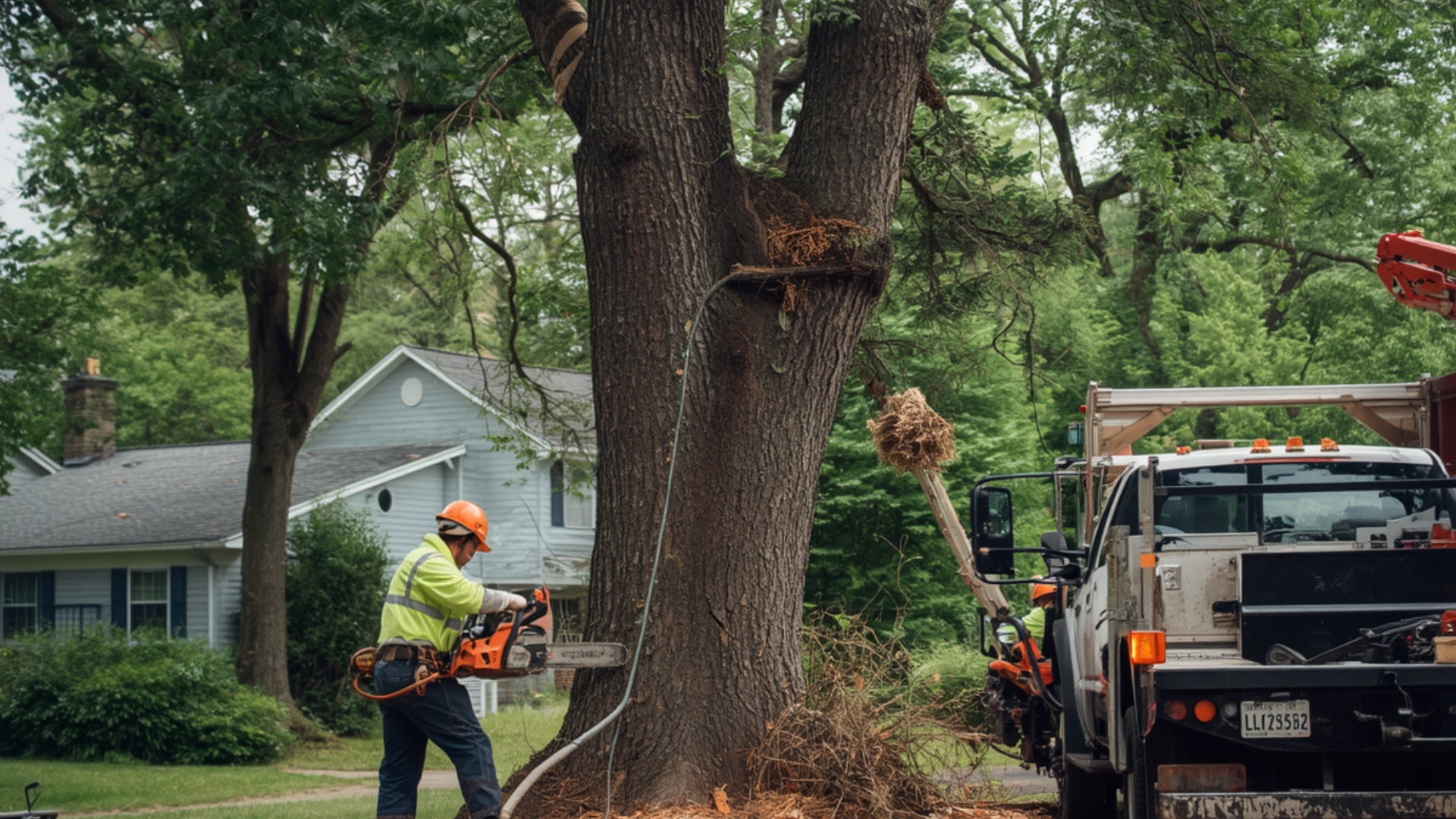
Cleanup
Wood, branches, and debris are removed from the property.
Stump Removal
If requested, the remaining stump is ground below grade level.
Factors Affecting Tree Removal Costs
Property owners often ask what influences the cost of removal.
Several factors impact pricing:
Tree Height
Larger trees require more labor and equipment.
Accessibility
Trees located in tight spaces may require specialized equipment.
Condition
Storm-damaged trees often present additional hazards.
Proximity to Structures
Trees close to homes, garages, or power lines require extra precautions.
Stump Removal
Adding stump grinding or root removal will increase project scope.
Benefits of Removing Hazardous Trees
Investing in timely tree removal offers several advantages.
Improved Safety
Eliminates the risk of falling limbs and tree failure.
Property Protection
Prevents damage to buildings, vehicles, and utilities.
Better Landscaping Opportunities
Creates space for new landscaping projects and construction.
Increased Curb Appeal
Removing dead or unsightly trees can improve the appearance of your property.
Reduced Liability
Property owners may be held responsible if a hazardous tree causes damage or injury.
Questions to Ask Before Hiring a Tree Removal Company
Before selecting a contractor, consider asking:
- Are you insured?
- Do you have experience with large tree removals?
- Will cleanup be included?
- Do you offer stump grinding?
- Can you help determine permit requirements?
- Do you provide written estimates?
Choosing an experienced company can help ensure a smooth and compliant project.
Why Local Experience Matters
Tree removal in Oneida requires familiarity with local weather patterns, common tree species, and municipal regulations.
Local professionals understand:
- Regional tree diseases
- Storm-related risks
- Soil conditions
- Property access challenges
- Permit-related concerns
This expertise can save homeowners time while ensuring the project is completed safely.
Conclusion
Understanding whether a tree removal permit Oneida NY property owners may need is an important first step before removing a tree. While not every project requires a permit, factors such as tree size, location, protected species, and municipal regulations can influence approval requirements.
If you’re planning a tree removal project, consulting with experienced professionals can help determine whether permits are necessary and ensure the work is completed safely and efficiently. From hazardous tree removal to stump grinding and complete site cleanup, professional tree services provide peace of mind throughout the entire process.
FAQs
Do I always need a tree removal permit in Oneida, NY?
Not always. Permit requirements depend on factors such as tree location, size, species, and local regulations.
How can I determine if my tree requires a permit?
Contact your local municipality or work with a professional tree service familiar with local requirements.
Can dead trees be removed without a permit?
Some jurisdictions may allow expedited removal of hazardous or dead trees, but requirements vary.
What happens if a storm damages my tree?
Emergency situations may be treated differently, but it’s still advisable to verify local regulations before removal.
Is stump grinding included with tree removal?
Many tree service companies offer stump grinding as an additional service or part of a complete removal package.
How long does tree removal take?
Small trees may be removed within a few hours, while large or hazardous trees can require a full day or more.