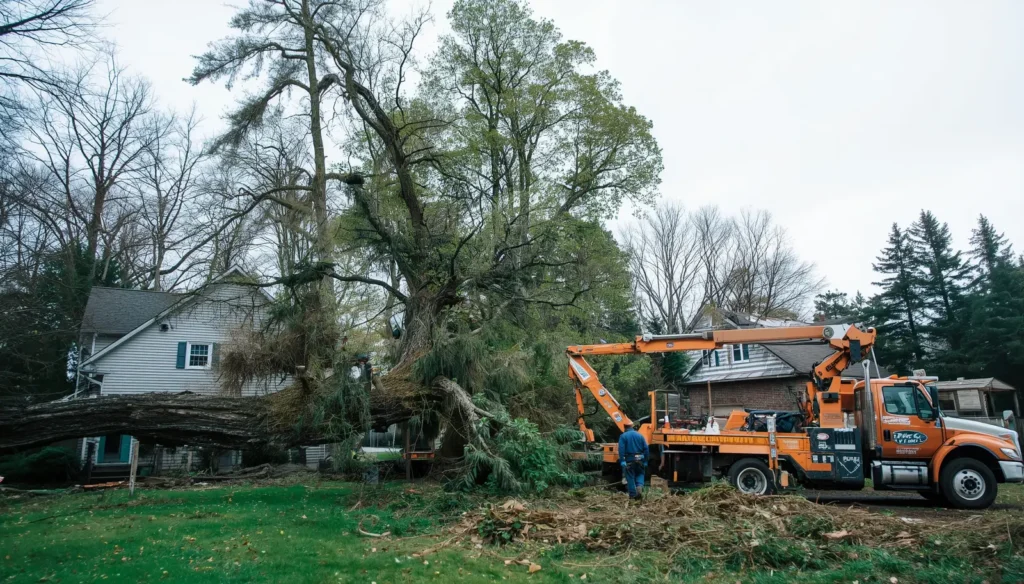
Dead Tree Removal in Oneida, NY: Why Waiting Is Riskier Than You Think
Trees are one of the most valuable features of any property. They provide shade, enhance curb appeal, improve air quality, and contribute to the overall beauty of your landscape. However, when a tree dies, it quickly transforms from an asset into a serious liability. Many homeowners delay tree removal because the tree may still appear stable, or they assume it can wait until a more convenient time. Unfortunately, postponing the removal of a dead tree can create significant safety risks and lead to costly property damage.
If you are considering dead tree removal Oneida NY, understanding the dangers associated with dead trees can help you make an informed decision before a minor issue becomes a major problem.
Why Dead Trees Are More Dangerous Than Most Homeowners Realize
A dead tree is no longer capable of maintaining its structural integrity. As decay progresses, the wood becomes brittle and weak. While a living tree can withstand wind, rain, and seasonal changes, a dead tree becomes increasingly vulnerable to failure.
Many property owners assume that if a dead tree has been standing for several months or years without falling, it is safe to leave alone. The reality is that dead trees can fail unexpectedly, especially during storms, heavy winds, or snow accumulation.
The risk increases significantly as the tree continues to decay. Branches may break off without warning, and entire sections of the trunk can collapse suddenly.
Common Causes of Tree Death
Several factors can lead to tree mortality in residential and commercial landscapes.
Disease
Tree diseases can weaken the internal structure of a tree over time. Fungal infections, root diseases, and vascular diseases often cause gradual decline before eventual death.
Insect Infestations
Pests such as borers, beetles, and other wood-destroying insects can severely damage trees. Once the infestation becomes extensive, recovery may not be possible.
Storm Damage
Severe weather can cause irreparable damage to trunks, roots, and major limbs. Trees that sustain substantial storm damage may die months after the event.
Root Damage
Construction projects, excavation, soil compaction, and improper landscaping practices can damage root systems and eventually kill a tree.
Drought Stress
Extended periods of drought can weaken trees and reduce their ability to absorb nutrients and water, leading to decline and death.
Warning Signs That a Tree Is Dead
Identifying a dead tree early allows property owners to schedule removal before hazards develop.
Some common signs include:
No Leaves During the Growing Season
If a tree remains bare while surrounding trees are producing leaves, it may be dead.
Peeling or Missing Bark
Large sections of bark falling away can indicate severe decay and loss of vitality.
Brittle Branches
Dead branches break easily and often snap when bent.
Fungal Growth
Mushrooms growing around the base of a tree often indicate internal decay.
Hollow Trunk
A hollow trunk suggests advanced deterioration and reduced structural strength.
Extensive Deadwood
Large dead branches throughout the canopy are often a sign that the tree is no longer healthy.
If you notice any of these warning signs, it may be time to consult a professional for dead tree removal Oneida NY.
The Hidden Risks of Waiting
Many homeowners delay removal because the tree is not currently causing problems. Unfortunately, waiting can significantly increase the risks.
Property Damage
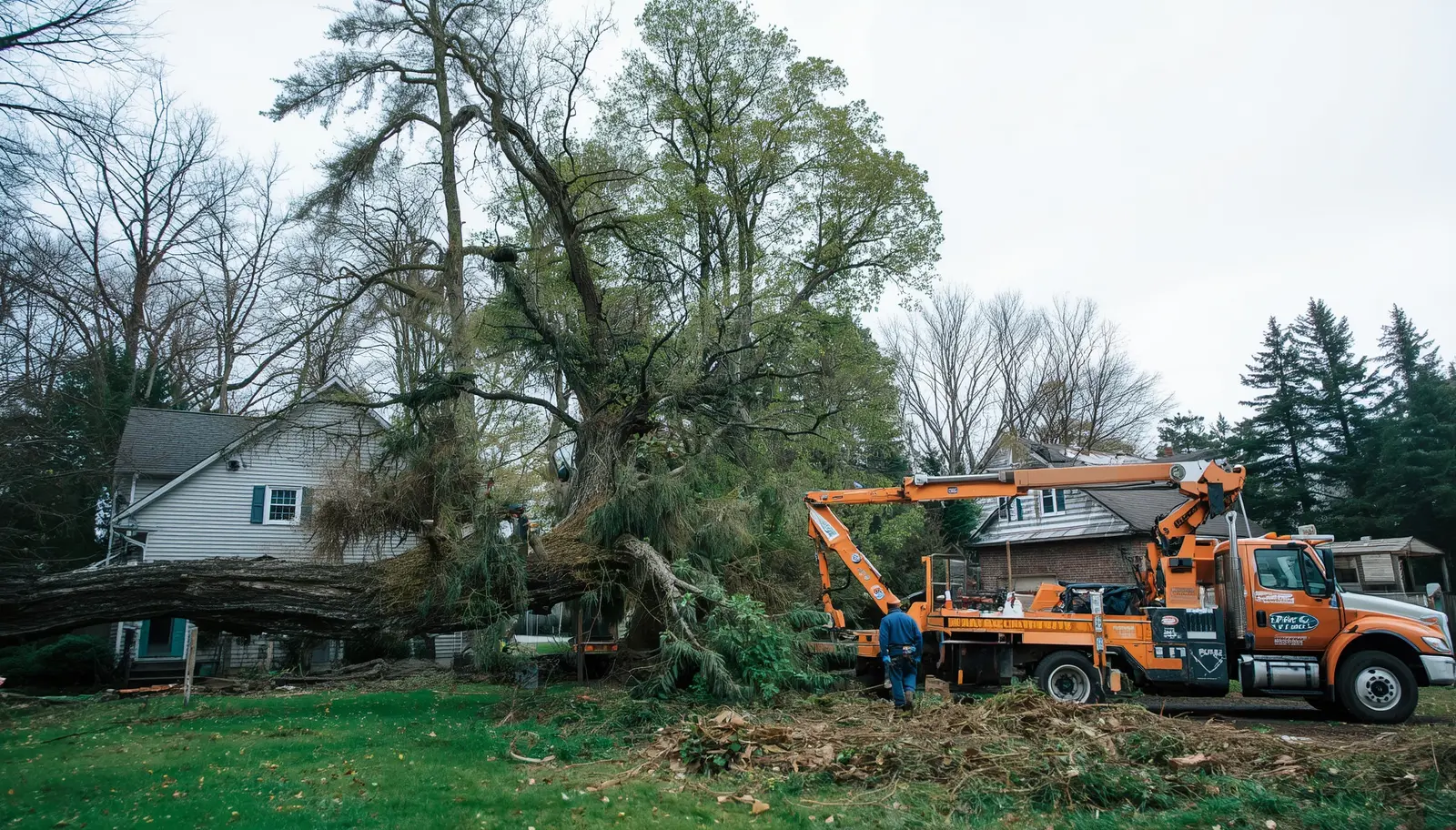
One of the most common consequences of delaying tree removal is property damage. Dead trees can fall onto:
- Homes
- Garages
- Sheds
- Vehicles
- Fences
- Utility lines
The cost of repairing structural damage often far exceeds the cost of proactive tree removal.
Personal Injury
Falling branches and collapsing trees pose serious threats to family members, visitors, neighbors, and pedestrians.
Even small branches can cause significant injuries when falling from height.
Increased Removal Costs
Dead trees become more difficult and dangerous to remove as decay progresses. Advanced deterioration may require specialized equipment and additional labor.
Removing a tree early often results in lower overall costs.
Utility Disruptions
Trees located near power lines can cause widespread outages when branches fall during storms.
Emergency removal after a utility incident is typically more expensive than scheduled removal.
Liability Concerns
Property owners are generally responsible for maintaining safe conditions on their property.
If a known dead tree falls and causes damage or injury, you may face liability issues and insurance complications.
How Dead Trees Affect Nearby Healthy Trees
Dead trees do not only threaten structures and people. They can also negatively impact surrounding vegetation.
Dead wood often attracts insects and pests that may spread to nearby healthy trees. Some diseases can also transfer from infected trees to other plants in the landscape.
Removing dead trees promptly helps protect the overall health of your property.
Why Dead Trees Become More Unstable Over Time
As a tree decays, internal wood fibers weaken and lose their strength.
Moisture penetration accelerates decomposition, while repeated freeze-thaw cycles common in New York further compromise structural integrity.
Over time, even a tree that appears stable externally may be hollow or severely weakened internally.
This hidden deterioration makes dead trees particularly unpredictable and dangerous.
Seasonal Risks in Oneida, NY
Homeowners in Oneida face several seasonal challenges that can increase tree failure risks.
Winter Snow and Ice
Heavy snow and ice accumulation place additional stress on weakened branches and trunks.
Spring Storms
Strong winds and heavy rain can trigger sudden tree failure.
Summer Thunderstorms
Severe summer weather often produces wind gusts capable of toppling dead trees.
Autumn Weather Changes
Temperature fluctuations and seasonal storms can further weaken compromised trees.
Because dead trees become increasingly vulnerable throughout the year, delaying removal is rarely advisable.
Benefits of Professional Dead Tree Removal
Hiring professionals provides several advantages.
Enhanced Safety
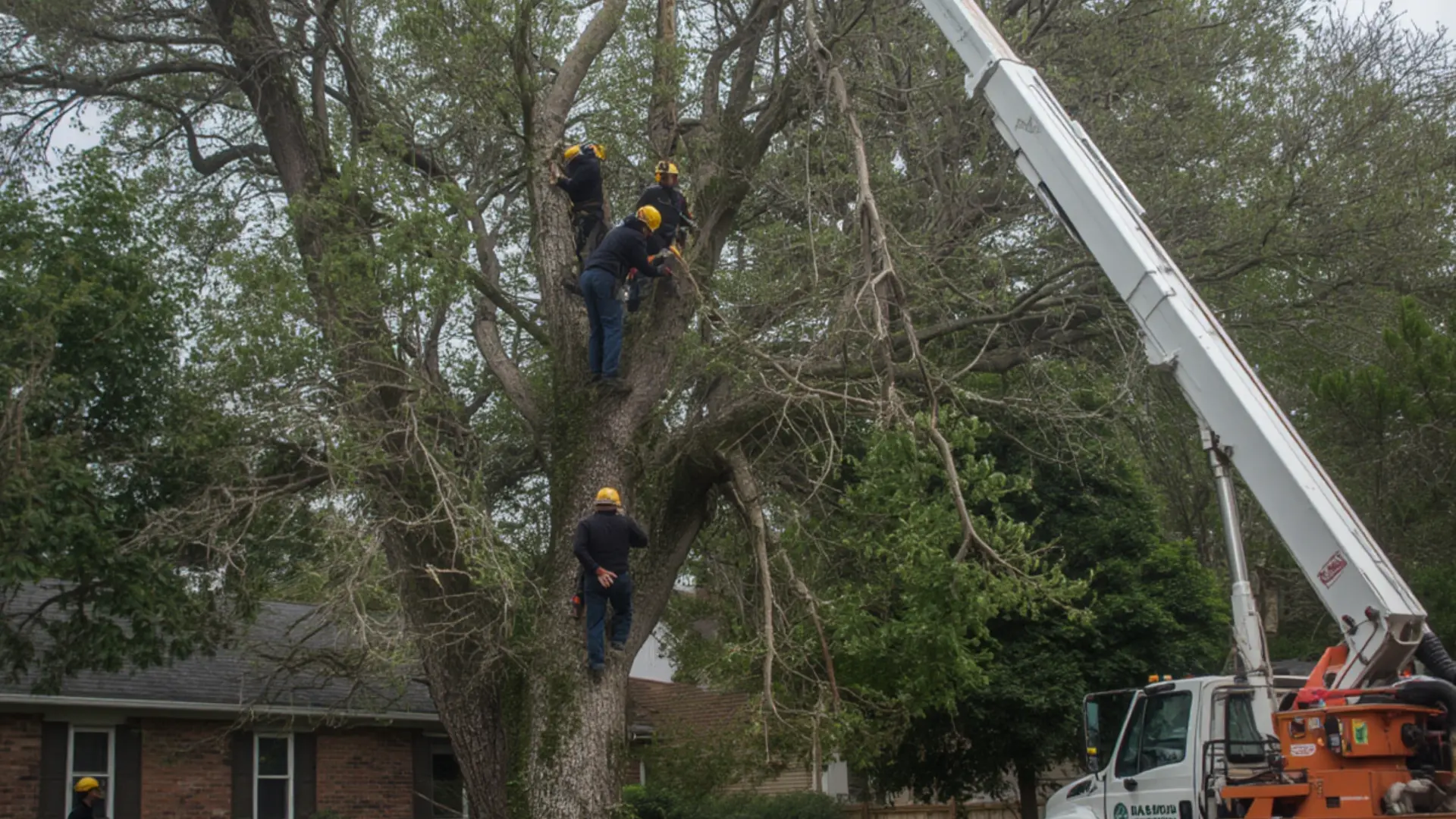
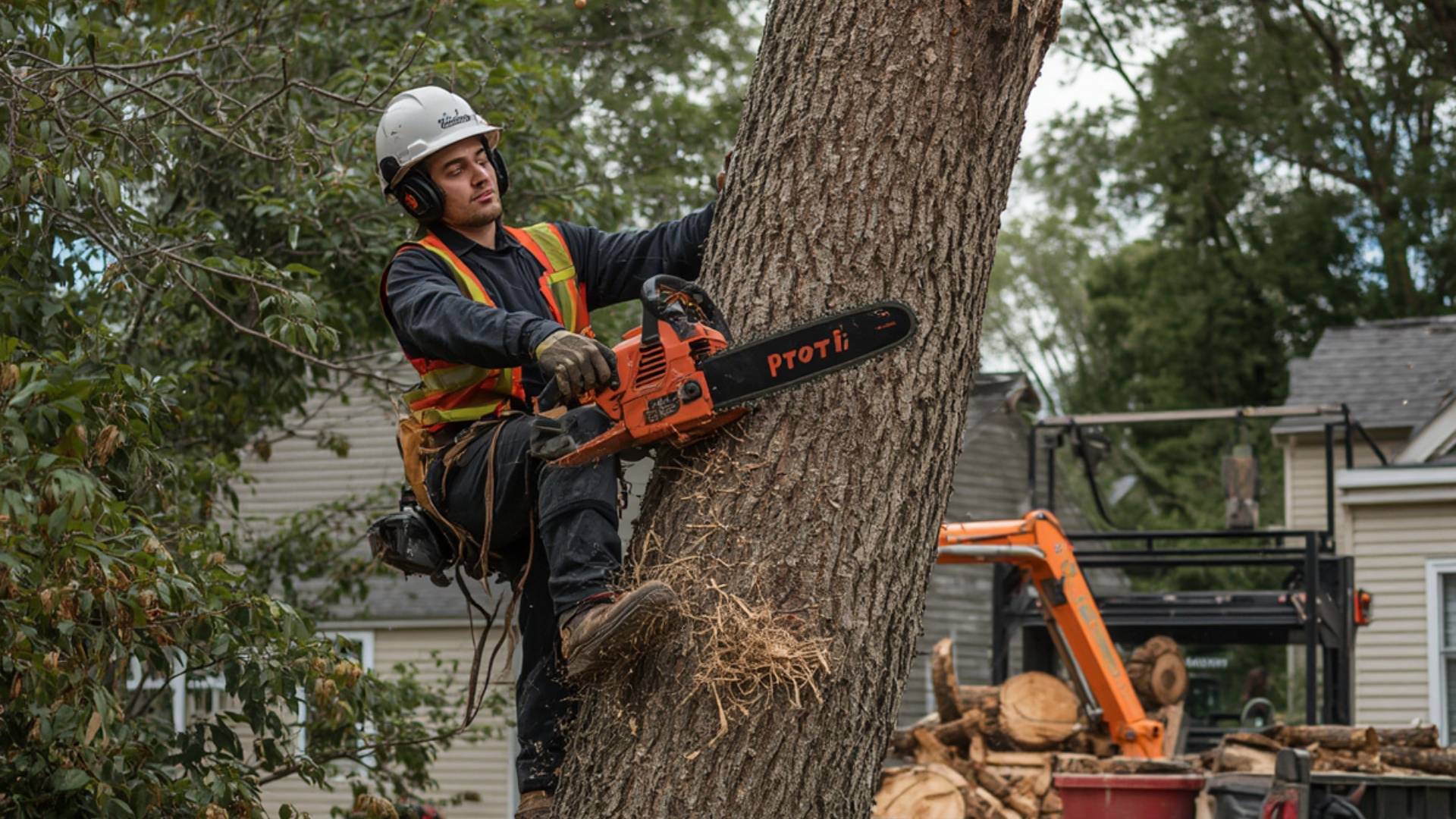
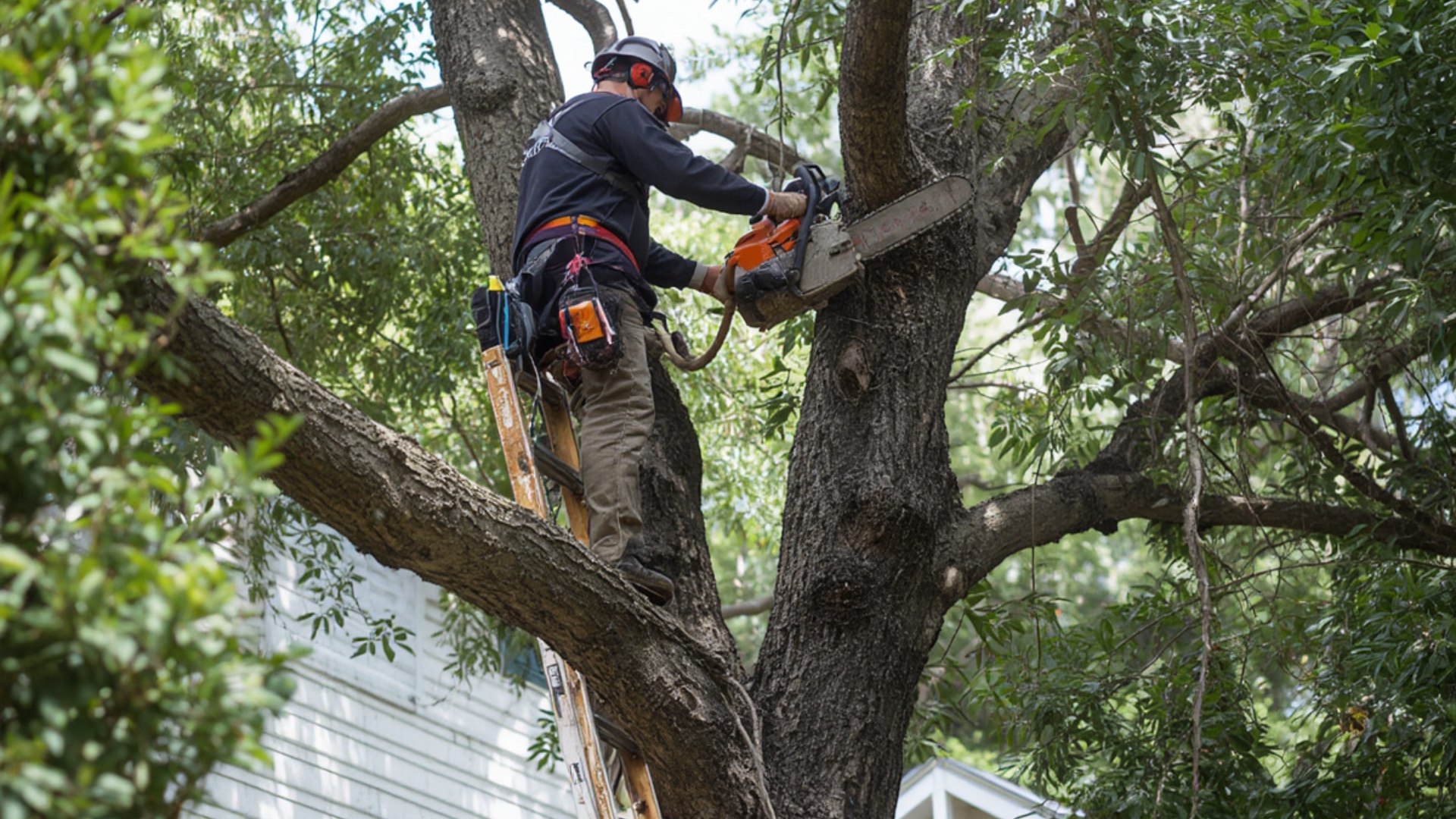
Tree removal professionals use specialized equipment and proven techniques to safely dismantle hazardous trees.
Property Protection
Experienced crews carefully control the direction of branch and trunk removal to minimize damage.
Efficient Completion
Professional services can complete projects much faster than attempting removal independently.
Proper Cleanup
Most tree service companies remove debris and leave the property clean and safe.
Reduced Liability
Professional removal helps eliminate potential hazards before they result in accidents or damage.
Why DIY Tree Removal Can Be Dangerous
Some property owners consider removing dead trees themselves to save money.
However, dead tree removal is often one of the most dangerous landscaping tasks.
Potential hazards include:
- Falling branches
- Chainsaw injuries
- Unpredictable tree movement
- Electrical hazards
- Property damage
Dead trees are especially difficult to predict because decay weakens their structure.
Professional removal remains the safest option.
What to Expect During Dead Tree Removal
Understanding the process helps homeowners prepare.
Initial Assessment
A tree specialist evaluates the tree’s condition, location, and surrounding hazards.
Removal Planning
A strategy is developed to safely remove the tree while protecting nearby structures.
Branch Removal
Large branches are typically removed first to reduce weight.
Trunk Dismantling
The trunk is removed in sections or felled safely when space permits.
Cleanup
Wood, branches, and debris are removed from the property.
Optional Stump Removal
Homeowners may choose stump grinding or complete stump removal after the tree is gone.
How Long Does Dead Tree Removal Take?
The timeline varies depending on several factors.
These include:
- Tree height
- Trunk diameter
- Degree of decay
- Accessibility
- Nearby structures
- Weather conditions
Small dead trees may be removed within a few hours, while larger or more complex removals may require a full day.
Signs You Should Schedule Removal Immediately
You should contact a tree removal professional as soon as possible if:
- The tree is leaning suddenly.
- Large branches are falling.
- The trunk contains visible cracks.
- The root system is exposed or damaged.
- Fungi are growing around the base.
- The tree is located near structures or power lines.
These conditions significantly increase the risk of failure.
Choosing the Right Tree Removal Company
When selecting a provider for dead tree removal Oneida NY, consider:
Experience
Choose a company with extensive tree removal experience.
Insurance Coverage
Verify that the company carries liability and workers’ compensation insurance.
Equipment
Proper equipment improves efficiency and safety.
Customer Reviews
Positive reviews can indicate reliability and professionalism.
Detailed Estimates
Request a written estimate outlining all services included.
The Cost of Waiting Versus the Cost of Removal
Many homeowners postpone removal to avoid immediate expenses.
However, the financial consequences of waiting can be substantial.
Potential costs include:
- Roof repairs
- Vehicle damage
- Fence replacement
- Utility repairs
- Insurance deductibles
- Emergency tree removal fees
Proactive removal is often significantly less expensive than addressing damage after a tree fails.
Protect Your Property Before It’s Too Late
Dead trees rarely improve with time. In fact, every season that passes increases the likelihood of structural failure, property damage, and safety concerns.
Scheduling professional dead tree removal Oneida NY helps protect your home, family, neighbors, and landscape while preventing costly repairs and unnecessary risks.
If you suspect a tree on your property is dead or declining, now is the best time to have it evaluated by a qualified tree care professional.
Frequently Asked Questions
How do I know if my tree is dead or just dormant?
A dormant tree will typically have flexible branches and healthy tissue beneath the bark. Dead trees often have brittle branches, peeling bark, and no signs of growth during the growing season.
Is a dead tree always dangerous?
While not every dead tree falls immediately, all dead trees become increasingly hazardous over time as decay weakens their structure.
Can a dead tree fall without a storm?
Yes. Dead trees can collapse unexpectedly even during calm weather due to internal decay and weakened roots.
How much does dead tree removal cost in Oneida, NY?
Costs vary depending on the tree’s size, location, condition, and accessibility. A professional inspection can provide an accurate estimate.
Should I remove a dead tree near my house immediately?
Yes. Trees located near homes, garages, vehicles, or utility lines should be removed promptly to reduce the risk of damage.
Can insurance cover damage caused by a dead tree?
Coverage depends on your policy. However, insurance companies may deny claims if a known hazard was neglected.