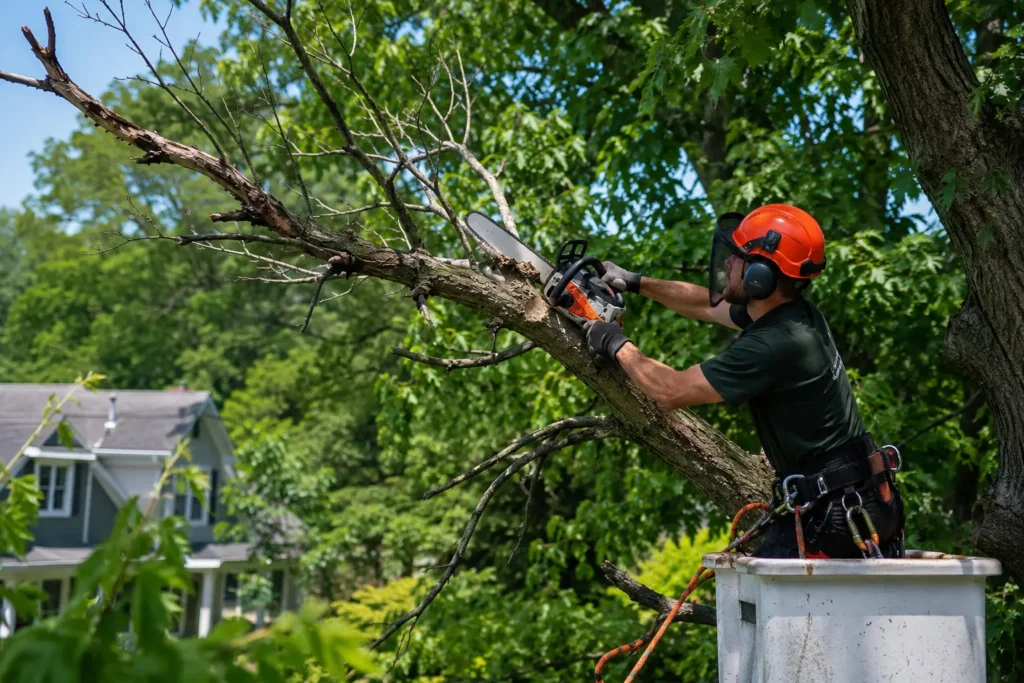
Why Dead Branch Removal Is a Key Part of Tree Care Solutions in Oneida NY
Trees play a major role in enhancing the beauty, value, and environmental benefits of residential and commercial properties. From providing shade during hot summers to improving curb appeal throughout the year, healthy trees contribute significantly to any landscape. However, trees require regular maintenance to remain safe and attractive. One of the most important aspects of proper tree maintenance is removing dead or damaged branches.
Many property owners overlook dead branches because they may seem harmless at first glance. Unfortunately, these weakened limbs can pose serious risks to people, structures, vehicles, and even the tree itself. This is why dead branch removal is a critical component of professional Tree Care Solutions in Oneida NY. By addressing deadwood early, property owners can protect their landscapes, prevent accidents, and encourage healthier tree growth.
In this guide, we’ll explore why dead branch removal matters, how it supports overall tree health, and why professional tree care services are essential for maintaining safe and thriving trees in Oneida.
Understanding Dead Branches and Why They Develop
Dead branches are limbs that no longer receive nutrients or moisture from the tree. These branches stop growing and eventually become brittle, weak, and susceptible to breaking.
Several factors can contribute to branch death, including:
- Natural aging
- Disease and fungal infections
- Insect infestations
- Storm damage
- Drought stress
- Root damage
- Poor soil conditions
- Lightning strikes
- Competition for sunlight
While some branch loss is a natural part of a tree’s life cycle, excessive deadwood often indicates underlying problems that require professional attention.
Property owners who invest in Tree Care Solutions in Oneida NY can identify and address these issues before they lead to significant tree decline.
The Safety Risks of Dead Branches
One of the biggest reasons for removing dead branches is safety.
Dead limbs become increasingly unstable over time. Wind, rain, snow, or even their own weight can cause them to break unexpectedly. When branches fall, they can cause serious injuries and property damage.
Common risks include:
Damage to Homes
Dead branches hanging over roofs can fall during storms and damage shingles, gutters, chimneys, or siding.
Vehicle Damage
Branches positioned above driveways or parking areas can crush or dent vehicles.
Injury to People
Falling limbs can seriously injure family members, guests, pedestrians, or workers.
Utility Line Interference
Dead branches near power lines create dangerous conditions that may result in outages or electrical hazards.
Professional Tree Care Solutions in Oneida NY help property owners identify hazardous branches before accidents occur.
Dead Branches Attract Pests and Insects
Dead wood provides an ideal habitat for many destructive insects.
Common pests attracted to dead branches include:
- Carpenter ants
- Beetles
- Borers
- Termites
- Wood-boring insects
Once pests establish themselves within dead limbs, they may spread to healthier parts of the tree or nearby plants.
In some cases, infestations can even migrate toward homes and structures, creating additional concerns for property owners.
Removing dead branches eliminates these attractive nesting areas and helps reduce pest populations around your property.
Dead Branches Can Spread Disease
Trees suffering from disease often develop dead limbs as the infection progresses.
Fungal diseases, bacterial infections, and cankers frequently cause branch dieback. If these infected branches remain in place, diseases may continue spreading throughout the canopy.
Professional arborists performing Tree Care Solutions in Oneida NY can remove diseased limbs while evaluating the overall health of the tree.
Early intervention may:
- Slow disease progression
- Prevent further branch loss
- Protect neighboring trees
- Improve recovery potential
Removing infected branches is often one of the first steps in preserving a valuable tree.
Improved Tree Health Through Proper Pruning
Healthy trees function best when resources are distributed efficiently.
Dead branches continue to occupy space within the canopy while providing no benefit to the tree. By removing these nonproductive limbs, the tree can redirect energy toward healthy growth.
Benefits include:
- Stronger branch development
- Increased leaf production
- Improved nutrient distribution
- Better structural stability
- Enhanced resistance to stress
Tree Care Solutions in Oneida NY often include strategic deadwood removal as part of a broader health maintenance program.
Better Airflow Throughout the Canopy
Dense canopies containing dead branches often restrict airflow.
Poor air circulation creates a favorable environment for:
- Fungal growth
- Moisture retention
- Mold development
- Leaf diseases
When dead branches are removed, airflow improves significantly throughout the tree.
Proper ventilation helps:
- Dry wet foliage faster
- Reduce disease risks
- Improve overall canopy health
- Encourage vigorous growth
Improved airflow is particularly important during humid seasons when fungal diseases become more active.
Enhanced Sunlight Penetration
Dead branches can block sunlight from reaching lower portions of the tree and surrounding landscape.
By removing unnecessary limbs, more sunlight can penetrate the canopy.
This benefits:
- Lower tree branches
- Grass growth
- Flower beds
- Shrubs
- Groundcover plants
Improved sunlight exposure contributes to a healthier and more balanced landscape overall.
Many Tree Care Solutions in Oneida NY focus on optimizing canopy structure to maximize sunlight distribution.
Reducing Storm Damage Risks
Oneida experiences seasonal storms, high winds, snow accumulation, and ice events that place stress on trees.
Dead branches are often the first parts of a tree to fail during severe weather.
When strong winds strike, weakened limbs can:
- Break unexpectedly
- Damage structures
- Injure people
- Block driveways
- Interfere with utility services
Preventive branch removal significantly reduces these risks.
Professional inspections before storm season can identify vulnerable branches and improve overall tree stability.
Improving Property Appearance
Dead branches can make even healthy landscapes appear neglected.
Signs of deadwood often include:
- Bare limbs
- Broken branch tips
- Peeling bark
- Discolored wood
- Sparse foliage
Removing these branches immediately enhances the appearance of the tree.
Benefits include:
- Improved curb appeal
- Cleaner canopy structure
- More attractive landscape design
- Increased property value
For homeowners looking to maintain beautiful outdoor spaces, regular Tree Care Solutions in Oneida NY are a worthwhile investment.
Preventing Structural Imbalances
Trees rely on balanced branch distribution for stability.
When dead branches accumulate on one side of a tree, uneven weight distribution may develop.
Over time, this imbalance can increase stress on:
- Major limbs
- Branch unions
- Trunk structures
- Root systems
Removing deadwood helps maintain proper weight balance and reduces the likelihood of structural failures.
Experienced tree care professionals understand how to prune safely without compromising the tree’s natural form.
Signs Your Tree May Have Dead Branches
Some dead branches are obvious, while others require closer inspection.
Common warning signs include:
No Leaves During Growing Season
Branches that remain bare while the rest of the tree produces foliage may be dead.
Brittle Wood
Dead branches often snap easily and feel dry.
Peeling Bark
Loose or missing bark may indicate branch death.
Fungal Growth
Mushrooms and fungal structures frequently appear on decaying limbs.
Discoloration
Dead branches often appear gray, brown, or faded compared to healthy wood.
Cracks and Splits
Visible structural damage may signal a dying limb.
Property owners noticing these symptoms should consider scheduling professional Tree Care Solutions in Oneida NY for evaluation.
Why DIY Dead Branch Removal Can Be Dangerous
Many homeowners attempt to remove dead branches themselves.
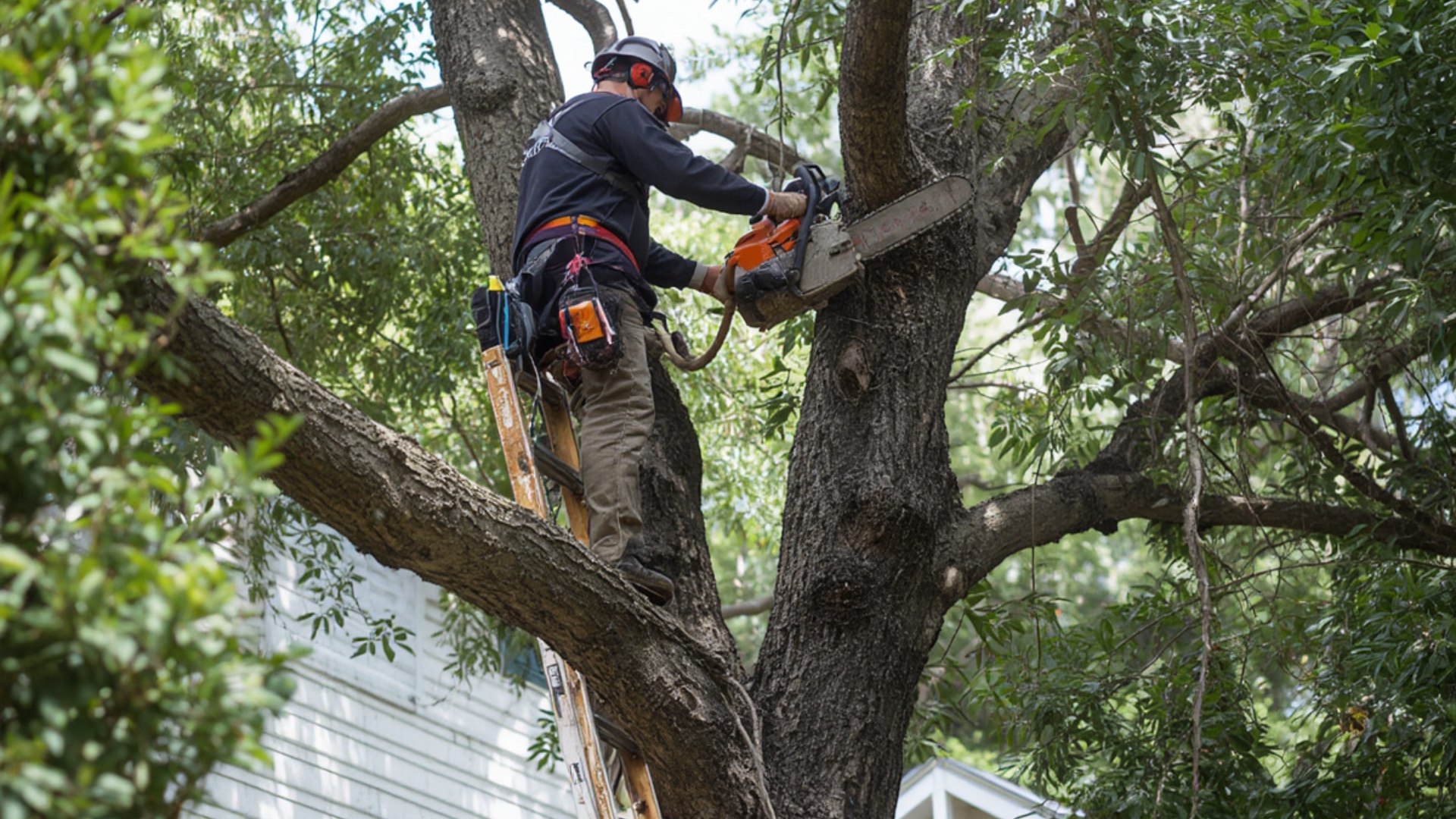
However, tree pruning can be far more dangerous than it appears.
Potential risks include:
- Falls from ladders
- Improper cutting techniques
- Equipment injuries
- Property damage
- Contact with power lines
- Falling limbs
Large dead branches are particularly hazardous because their structural integrity is unpredictable.
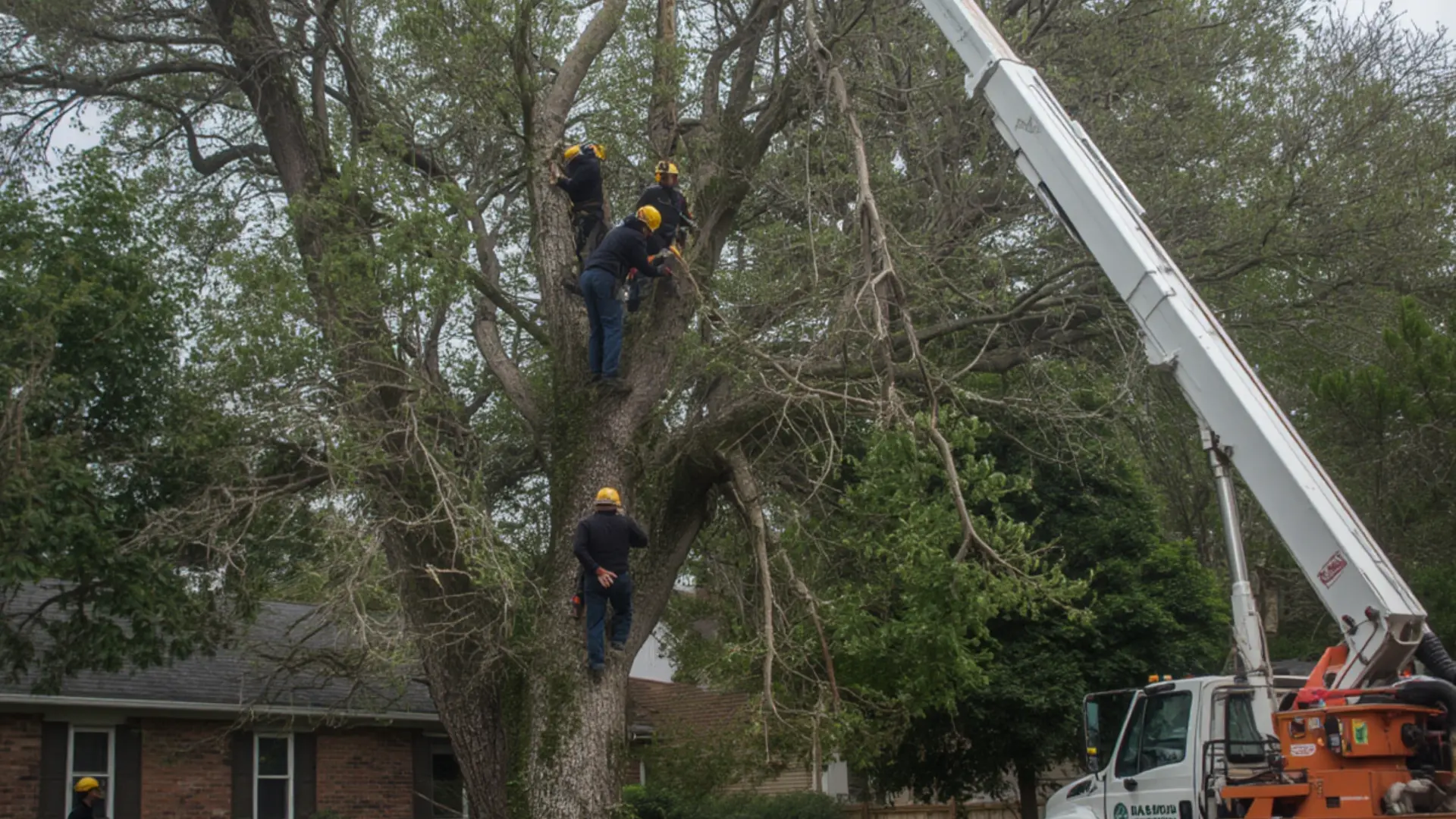
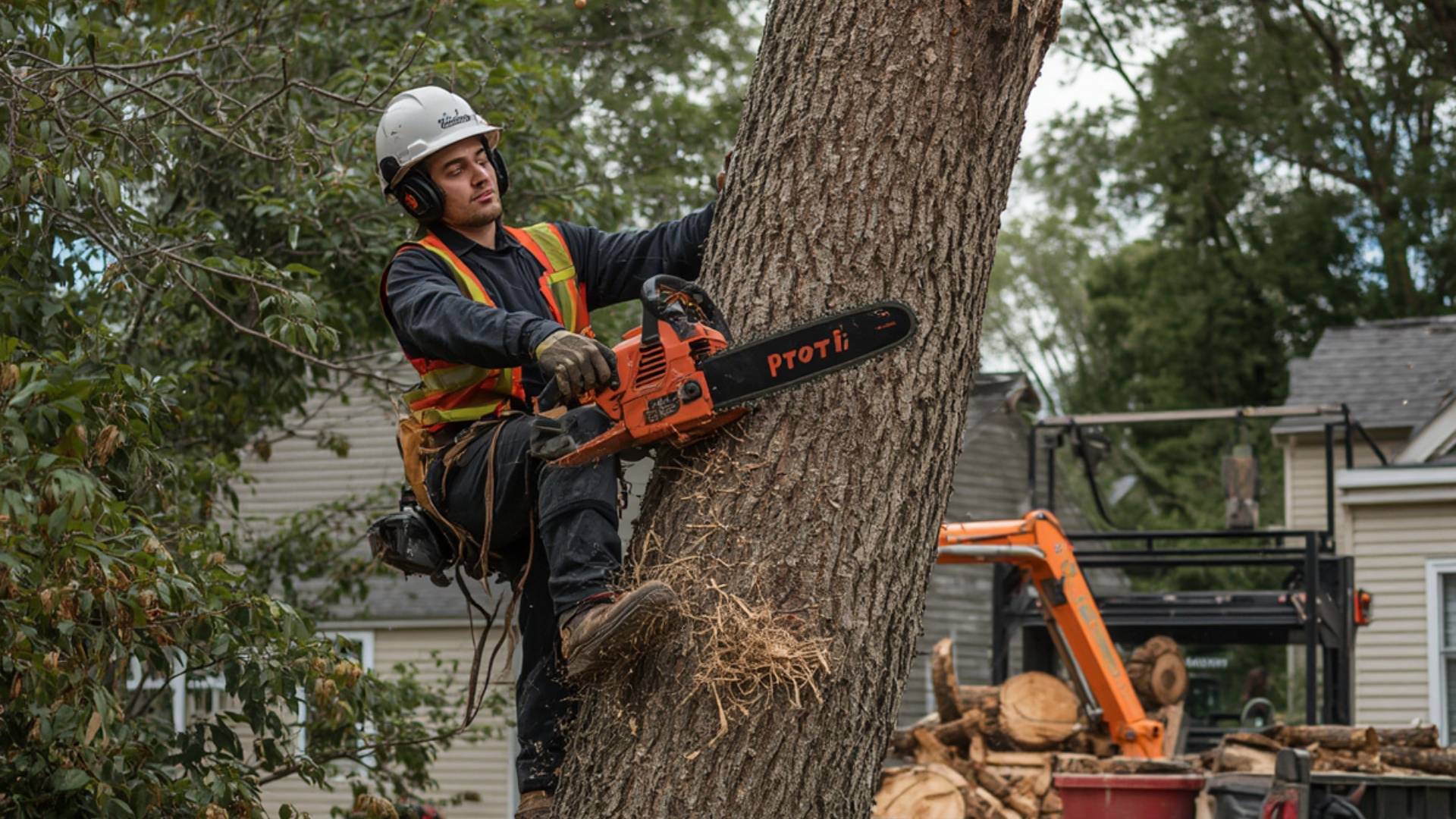
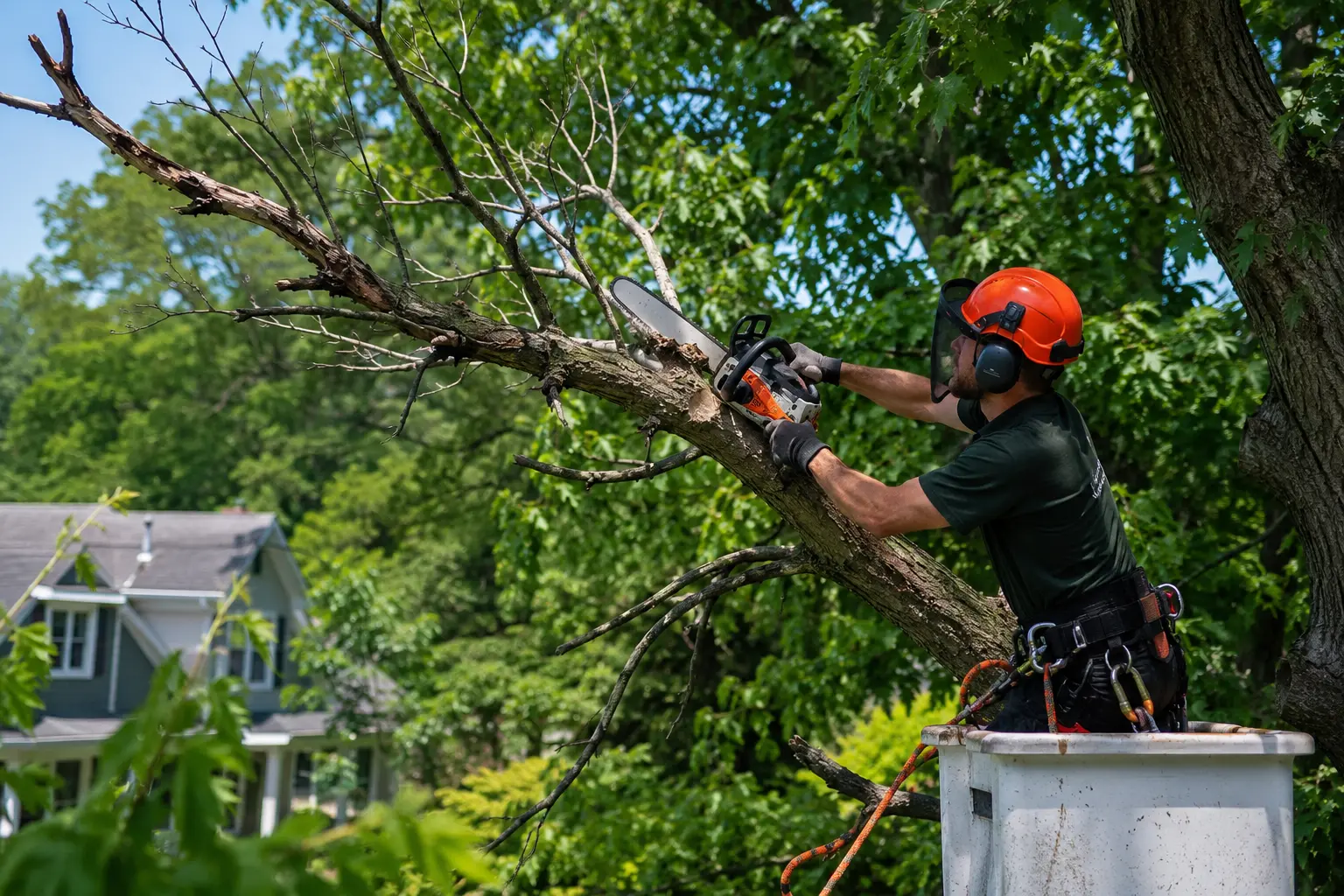
Professional tree care specialists use specialized equipment and safety procedures to complete removals efficiently and safely.
The Importance of Proper Pruning Techniques
Removing dead branches involves more than simply cutting them off.
Improper pruning can create:
- Large wounds
- Disease entry points
- Structural weakness
- Poor healing responses
Certified tree care professionals understand:
- Proper branch collar cuts
- Safe limb reduction techniques
- Tree species requirements
- Seasonal pruning considerations
These practices promote faster healing and minimize stress on the tree.
Tree Care Solutions in Oneida NY focus on preserving long-term tree health while addressing immediate hazards.
Seasonal Benefits of Dead Branch Removal
Spring
Removing dead branches before new growth emerges allows trees to focus energy on healthy development.
Summer
Summer inspections help identify storm damage and stress-related branch dieback.
Fall
Deadwood removal prepares trees for winter weather and snow loads.
Winter
Dormant-season pruning often provides excellent visibility and reduced stress for many tree species.
Routine maintenance throughout the year ensures trees remain safe and healthy regardless of the season.
Long-Term Cost Savings
Ignoring dead branches may seem like a way to save money, but delayed maintenance often results in higher expenses.
Potential costs of neglect include:
- Emergency tree removal
- Roof repairs
- Vehicle damage
- Utility repairs
- Landscape restoration
- Injury liability claims
Preventive Tree Care Solutions in Oneida NY help property owners avoid costly emergencies while extending the lifespan of valuable trees.
Environmental Benefits of Healthy Trees
Healthy trees provide significant environmental advantages, including:
- Improved air quality
- Carbon absorption
- Wildlife habitat
- Stormwater management
- Temperature regulation
Dead branch removal helps preserve these benefits by supporting stronger, healthier trees.
When trees remain healthy and structurally sound, they continue contributing to the local ecosystem for decades.
Choosing Professional Tree Care Services
When selecting a tree care provider, look for professionals who offer:
- Tree inspections
- Deadwood removal
- Tree pruning
- Disease diagnosis
- Storm damage assessments
- Preventive maintenance programs
Experienced professionals can develop customized care plans based on tree species, age, condition, and location.
Regular inspections combined with proactive maintenance provide the best long-term results.
Conclusion
Dead branch removal is far more than a cosmetic improvement. It is an essential part of maintaining safe, healthy, and attractive trees. Dead limbs create serious risks ranging from property damage and personal injury to pest infestations and disease spread. By removing these hazardous branches promptly, property owners can protect their investment while supporting the long-term health of their landscape.
Professional Tree Care Solutions in Oneida NY provide the expertise needed to identify dangerous deadwood, improve tree structure, and promote healthy growth. Whether you have mature shade trees, ornamental species, or trees impacted by storms, regular dead branch removal helps ensure they remain strong, beautiful, and safe for years to come.
Frequently Asked Questions (FAQ)
1. Why is dead branch removal important for tree health?
Dead branch removal allows trees to redirect energy toward healthy growth, improves airflow, reduces disease risks, and prevents structural problems.
2. How can I tell if a branch is dead?
Dead branches often have no leaves, brittle wood, peeling bark, discoloration, and visible cracks.
3. Can dead branches fall without warning?
Yes. Dead branches can break unexpectedly due to wind, rain, snow, or natural deterioration.
4. How often should trees be inspected for dead branches?
Most trees should be professionally inspected at least once a year, with additional inspections after severe storms.
5. Is it safe to remove dead branches myself?
Small, easily accessible branches may be manageable, but larger branches should always be removed by trained professionals due to safety risks.
6. Does dead branch removal help prevent disease?
Yes. Removing infected or decaying branches can reduce disease spread and improve overall tree health.
7. When is the best time to remove dead branches?
Dead branches can typically be removed year-round, although timing may vary depending on tree species and health conditions.
8. Do dead branches attract insects?
Yes. Dead wood often attracts termites, carpenter ants, borers, and other pests that may harm trees or nearby structures.
9. Will pruning improve my property’s appearance?
Absolutely. Removing dead branches enhances tree shape, improves curb appeal, and creates a healthier-looking landscape.
10. Why should I hire professional Tree Care Solutions in Oneida NY?
Professionals have the knowledge, equipment, and experience needed to safely remove dead branches while protecting tree health and property safety.